Great Barrier Reef Suffers Double Blow from Cyclone and Bleaching
Reef authorities are in a race against time to evaluate the extensive damage inflicted upon the Great Barrier Reef, following a powerful cyclone and a severe bleaching event. This dual threat has sparked significant alarm among scientists and conservationists, who fear for the reef's resilience and future survival.
Immediate Assessment Efforts Underway
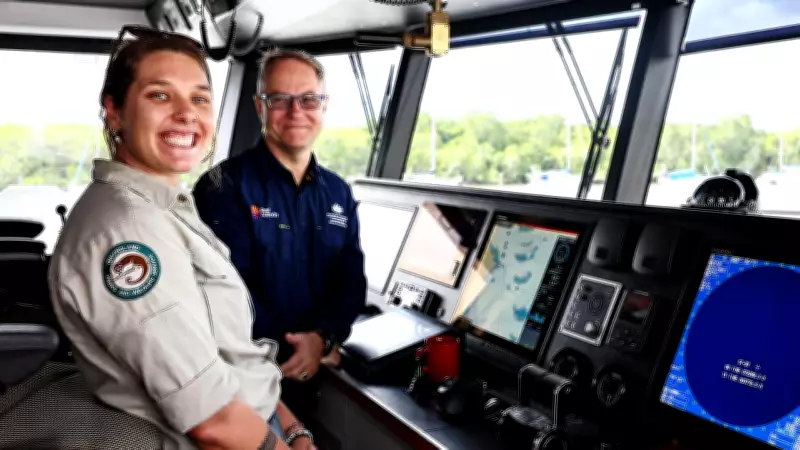
Teams from the Great Barrier Reef Marine Park Authority and other environmental agencies have mobilised quickly to conduct aerial and underwater surveys across the affected areas. The cyclone, which struck with intense winds and heavy seas, caused physical destruction to coral structures, while the bleaching event—triggered by elevated sea temperatures—has led to widespread coral stress and mortality.
Initial reports indicate that some sections of the reef have experienced substantial coral loss, with both acute storm damage and chronic bleaching impacts compounding the ecological crisis. Experts emphasise that this combination of events is particularly devastating, as it hampers the reef's natural recovery processes.

Long-Term Implications for Reef Health
The simultaneous occurrence of a cyclone and bleaching raises serious questions about the reef's ability to withstand future climate-related pressures. Coral bleaching, often linked to global warming, weakens corals by expelling the symbiotic algae that provide them with nutrients and colour. When followed by a cyclone, the already vulnerable corals are more susceptible to breakage and erosion.
This assessment is crucial for informing management strategies and conservation efforts, as authorities work to mitigate further damage and support reef regeneration. The findings will also contribute to broader discussions on climate change adaptation and marine protection policies.
Community and Global Response
Local communities and international organisations are closely monitoring the situation, with calls for increased action to address the root causes of reef degradation. The Great Barrier Reef, a UNESCO World Heritage site, is not only a biodiversity hotspot but also a vital economic asset for tourism and fisheries in Queensland.
- Urgent surveys to map damage extent
- Collaboration with scientific institutions for data analysis
- Development of recovery plans based on assessment results
As the assessment progresses, reef authorities are urging for sustained efforts to reduce carbon emissions and enhance reef resilience, highlighting the interconnectedness of local events and global environmental challenges.