Stirling Officially Ends Rodent Poison Use to Safeguard Native Owls
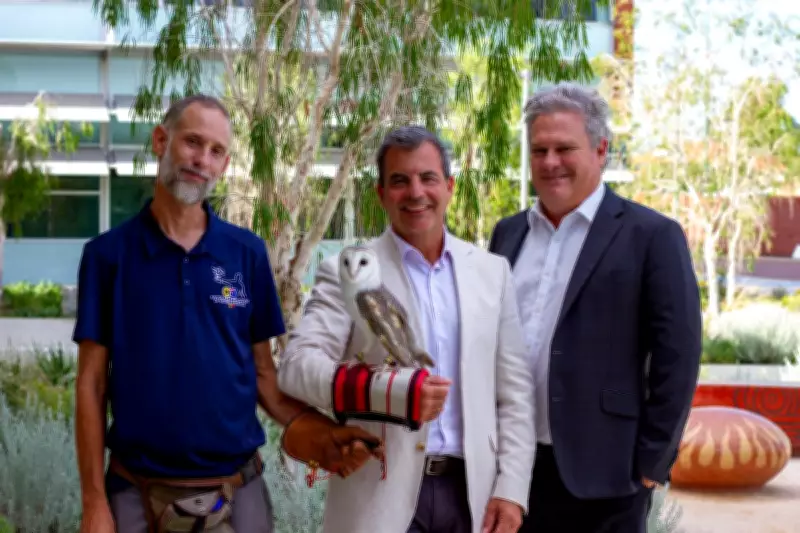
The City of Stirling has made a decisive move to protect local native wildlife by officially ceasing all use of second-generation anticoagulant rodenticides (SGARs). This action aims to prevent secondary poisoning of species such as owls, which can be harmed when they consume poisoned rodents.
Risks of Rodent Poisons to Wildlife and Pets
Second-generation rodent poisons, commonly available as off-the-shelf baits, are potent but slow-acting toxins that can take several days to kill rodents. During this time, affected pests become easy targets for predators, including pets and native owls. When these animals ingest poisoned rodents, they suffer secondary poisoning, leading to injury or death.
Given these significant risks, Stirling has removed SGARs from all municipal operations and contracts. This step follows a unanimous council decision in April 2025 to phase out rodenticides and adopt an 'owl-friendly' approach, initiated by a motion from councillor Tony Krsticevic in November 2024.

Owl-Friendly Initiative Gains Momentum Across Australia
The Owl-Friendly initiative, founded in 2018 in Margaret River by the Rodenticide Action Group, has inspired several local governments nationwide. Cities like Melville and Cockburn have already joined the movement by phasing out SGARs, and Stirling's announcement aligns with this growing trend.
This local action coincides with a federal regulatory shift. The Australian Pesticides and Veterinary Medicines Authority recently declared that chemical products containing SGARs will be classified as restricted, potentially removing over-the-counter rat baits from shelves. Proposed controls would limit access to trained and licensed individuals only.
Community Role and Costs of the Change
City of Stirling mayor Mark Irwin emphasized the community's responsibility in protecting wildlife through responsible pest control practices. "This is an important step towards protecting our wildlife and any non-target animals from the impacts of these rodenticides," Mr Irwin stated. "We will continue our ongoing education about the use of responsible rodent controls throughout the community, including at food premises, commercial properties, building sites, and homes."
The Perth metropolitan area is home to diverse native owl species, including the southern boobook, barn owl, and masked owl. Transitioning to owl-friendly rodent control measures is projected to cost the city an additional $6000 annually, a small price for enhanced environmental protection.
For more details on Stirling's owl-friendly rodent control initiative, residents can visit the city's pests, weeds, and diseases webpage for information and to request free rodent bait sample packs.