Sandon Point Rock Formations: A 254-Million-Year Geological Marvel
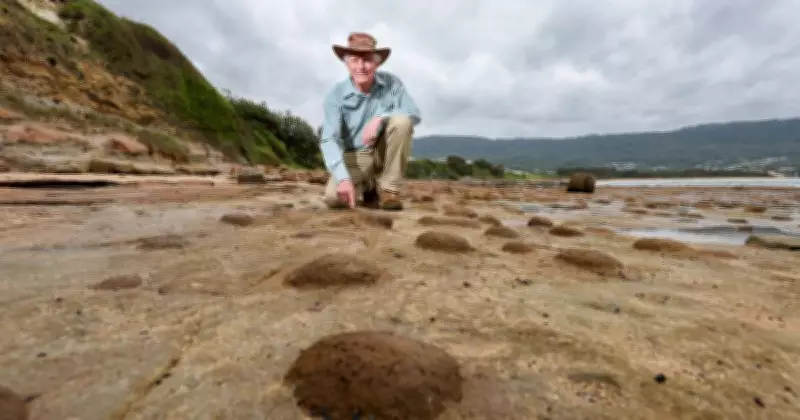
In a stunning revelation that bridges the gap between deep time and the present day, geologists have unveiled the extraordinary age of the rock formations at Sandon Point, located near Wollongong on the New South Wales coast. These formations, which have long captivated locals and visitors with their rugged beauty, are now confirmed to be an astonishing 254 million years old, placing their origins in the Permian period of Earth's history.
A Journey Through Geological Time
The discovery, made through advanced dating techniques and detailed field studies, highlights the immense timescale involved in the creation of these natural structures. During the Permian period, which spanned from approximately 299 to 252 million years ago, the area that is now Sandon Point was part of a vastly different landscape, characterized by ancient seas and shifting tectonic plates. Over eons, layers of sediment accumulated and were compressed, eventually forming the distinctive sandstone and shale rocks that define the point today.
This geological timeline offers a rare window into a world long before humans, when early reptiles and amphibians roamed the land. The rocks at Sandon Point serve as a tangible record of environmental changes, including fluctuations in sea levels and climate shifts that have shaped the region over millions of years. Researchers emphasize that studying these formations provides crucial insights into the processes that have sculpted the Australian coastline and contributed to the continent's unique geological heritage.

Significance for Science and Community
Beyond their scientific value, the Sandon Point rock formations hold deep cultural and recreational importance for the local community. They are a popular spot for hiking, photography, and educational outings, drawing people who seek to connect with nature and history. The confirmation of their age adds a new layer of appreciation, transforming them from mere scenic features into living monuments of Earth's ancient past.
Geologists involved in the study note that this finding underscores the need for ongoing conservation efforts to protect such irreplaceable natural sites. As urban development and environmental pressures increase, preserving these formations becomes essential not only for scientific research but also for future generations to experience and learn from. The rocks at Sandon Point stand as a testament to the slow, relentless forces of geology, reminding us of the planet's dynamic history and the importance of safeguarding our natural heritage.
In summary, the Sandon Point rock formations, with their 254-million-year history, offer a profound glimpse into the geological evolution of New South Wales. This discovery enriches our understanding of the past while highlighting the enduring beauty and significance of Australia's coastal landscapes.