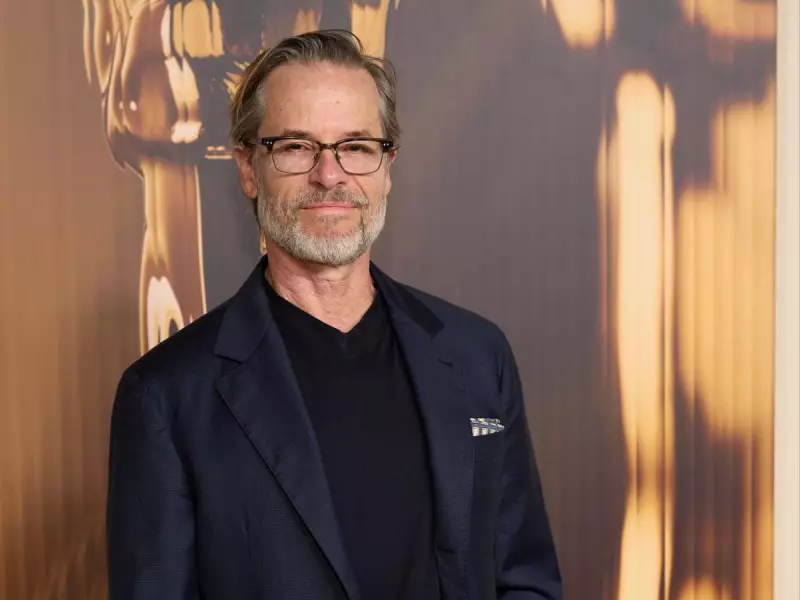
Australian actor Guy Pearce has issued a public apology after facing significant backlash for sharing antisemitic conspiracy theories on social media. The incident has drawn sharp criticism from prominent Jewish community leaders, who have labelled his actions as deeply harmful and dangerous.
The Controversial Posts and Immediate Backlash
Pearce, known for his roles in films like Memento and L.A. Confidential, shared a series of posts on his social media accounts that propagated long-standing antisemitic tropes. These included the conspiracy theory that Jewish people were behind the 9/11 terrorist attacks and other false claims about Jewish power and influence.
The posts quickly ignited a firestorm of criticism. Dr Dvir Abramovich, chairman of the Anti-Defamation Commission (ADC), was among the first to publicly condemn the actor's actions. Abramovich described the material shared by Pearce as "vile antisemitic conspiracy theories" that fuel hatred and can lead to real-world violence.

In a powerful statement, Abramovich emphasised the gravity of the situation, noting that such theories have been used for centuries to incite persecution against Jewish communities. He called on Pearce to immediately remove the content and issue a full apology.
Pearce's Public Apology and Explanation
Following the intense public pressure, Guy Pearce posted a lengthy apology on his social media channels. He stated that he was "deeply sorry" for the hurt and offence caused by his posts. Pearce claimed he had shared the material without fully understanding its antisemitic nature and historical context.
In his apology, the actor expressed regret for his "ignorant actions" and acknowledged the pain they inflicted on the Jewish community. He committed to educating himself further on the history of antisemitism and the damaging impact of such conspiracy theories.
Pearce also confirmed that he had deleted the original posts from his accounts. He thanked those who had called him out for his error, stating that their criticism was justified and necessary.
Community Response and Broader Implications
The response from advocacy groups to Pearce's apology has been mixed. While some have acknowledged his willingness to apologise and retract the statements, others have stressed that the incident highlights a broader problem of antisemitic misinformation spreading online.
Dr Dvir Abramovich responded to the apology by stating that while it was a "necessary first step", words must be followed by concrete actions. He urged Pearce to use his platform responsibly going forward and to actively engage with the Jewish community to understand the consequences of hate speech.
This incident has sparked a wider conversation in Australia about the responsibility of public figures in combating hate speech and the ease with which dangerous conspiracy theories can be amplified on social media platforms. Experts warn that such theories, often disguised as political commentary, can normalise antisemitism and other forms of bigotry.
Lessons for Public Figures and Social Media Users
The Guy Pearce controversy serves as a stark reminder of the need for vigilance and critical thinking when engaging with content online. For public figures with large followings, the responsibility is even greater, as their posts can reach millions and lend credibility to false and harmful ideas.
Community leaders are urging all social media users to verify information before sharing it and to be aware of the historical context and coded language often used in antisemitic and other hate-based propaganda. Education and awareness are seen as key tools in the fight against the spread of online hatred.
The hope among advocates is that this unfortunate episode will lead to greater understanding and a more proactive stance against antisemitism and all forms of discrimination in the public sphere.