The commencement of Western Australia's groundbreaking social media ban in public schools has ignited significant concern among experts, who warn it could exacerbate feelings of isolation and loneliness among students during the approaching summer holidays.
New Policy Raises Concerns Over Student Wellbeing
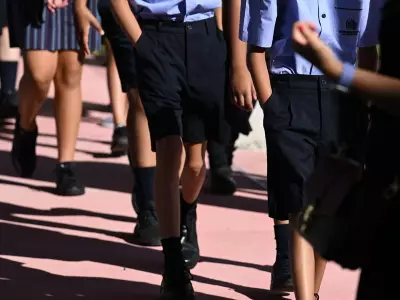
From the start of Term 4, the WA government has enforced a complete ban on social media platforms across all public school networks and devices. This move extends the existing mobile phone ban that requires students to keep their phones switched off and out of sight during the school day.
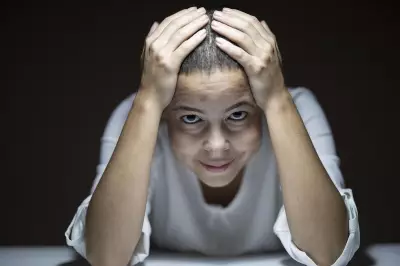
While the policy aims to reduce distractions and cyberbullying in classrooms, child psychology experts are sounding the alarm about its potential unintended consequences. Dr. Lauren Rose, a campaigner for Healthy Screens Australia, argues that the long summer break could become a period of heightened anxiety for some young people.

"The concern is that during the holidays, when they're not seeing their friends every day at school, social media is often that primary tool for connection," Dr. Rose explained. "If they haven't been using it during the term and suddenly have all this time, they might feel disconnected from their peer groups."
Government Defends Ban Amidst Expert Warnings
The state government, led by Premier Roger Cook, has strongly defended the policy. Premier Cook stated the ban is designed to allow children to "be kids" and to foster face-to-face interactions. He emphasised that the measure is a direct response to the harmful effects of social media, including exposure to inappropriate content and online bullying.
"We know social media can have a damaging impact on the mental health, wellbeing and learning of our children," Premier Cook said. The government's position is that schools should be places of learning, free from the pressures and distractions of platforms like TikTok, Instagram, and Facebook.
However, Dr. Rose and other commentators contend that a blanket ban during school hours may not equip students with the critical digital literacy skills they need to navigate the online world safely outside of school. The fear is that students will return to unrestricted use at home without having developed resilience or smart habits during the term.
Navigating the Holiday Social Disconnect
The core of the issue lies in the upcoming six-week summer holiday period. For many teenagers, social media is the town square – the main venue for organising catch-ups, sharing experiences, and maintaining social bonds when they are not physically together.
Experts suggest that parents and caregivers will need to play a more active role during the break. Strategies to mitigate potential isolation include:
- Encouraging and facilitating in-person social activities and outings.
- Having open conversations about online safety and balanced screen time.
- Helping children explore alternative hobbies and interests that don't involve social media.
The debate highlights a central challenge in modern parenting and education: balancing the very real risks of social media with its role as a primary communication tool for the younger generation. As WA's bold experiment unfolds, its impact on student social dynamics during both term time and holidays will be closely watched by other states and educators nationwide.
The success or failure of the policy may well be measured not just in quieter classrooms, but in the wellbeing of students during the long, school-free summer days.