Anzac Postcards Offer a Unique Glimpse into Children's Understanding of War
A remarkable collection of Anzac postcards crafted by schoolchildren in Townsville has emerged, offering a poignant and insightful look into how young minds perceive the harsh realities of war and the solemn traditions of remembrance. These artistic creations, developed as part of educational initiatives, serve as a powerful tool for understanding the evolving interpretations of historical events among the next generation.
Children's Artistic Expressions Shed Light on War Perceptions
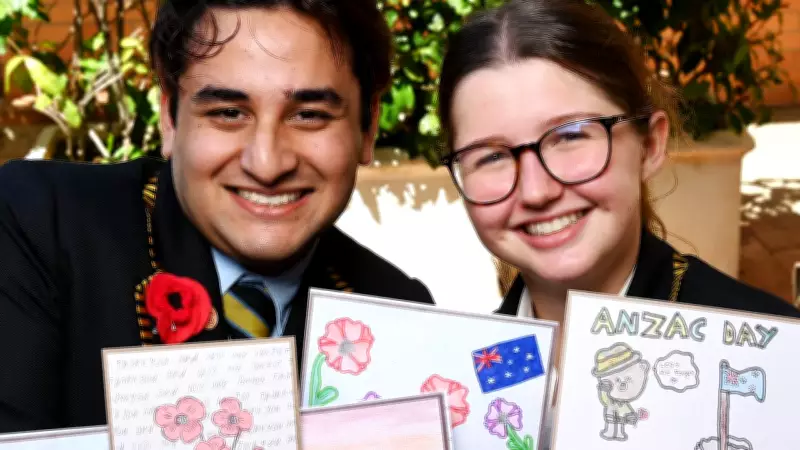
The postcards, filled with drawings, messages, and symbols, reveal a range of emotions and thoughts from the children. Many depict scenes of soldiers, poppies, and memorials, reflecting the traditional imagery associated with Anzac Day. However, some also include more personal elements, such as family connections to military service or expressions of peace and hope, highlighting how children blend historical facts with their own experiences and values.
Educators and historians note that these postcards provide valuable insights into how war is taught and understood in schools. They show that children are not just passive recipients of information but actively engage with and reinterpret complex topics like conflict and sacrifice. This process helps them develop empathy and a deeper appreciation for the sacrifices made by past generations.

The Role of Education in Shaping Remembrance
In Townsville, schools have integrated these postcard projects into their curriculum around Anzac Day, encouraging students to explore themes of courage, loss, and national identity. Teachers report that such activities foster meaningful discussions and allow children to express their thoughts in creative ways. By doing so, they bridge the gap between historical events and contemporary relevance, making the lessons of war more accessible and impactful for young learners.
Experts emphasize that understanding children's perspectives on war is crucial for shaping future commemorative practices. As societal attitudes evolve, these postcards serve as a snapshot of how younger Australians are processing and honoring the legacy of Anzac. They also underscore the importance of ongoing education in preserving historical memory and promoting peace.
Community Impact and Broader Implications
The collection has garnered attention from local communities and beyond, sparking conversations about the ways we remember and teach about war. It highlights the enduring significance of Anzac traditions while also pointing to new, more inclusive approaches to remembrance that resonate with diverse audiences, including children.
Overall, these Anzac postcards from Townsville offer a touching and educational resource, reminding us of the power of youth voices in interpreting history. They not only honor the past but also inspire reflection on how we can better engage future generations in the ongoing dialogue about war, peace, and remembrance.