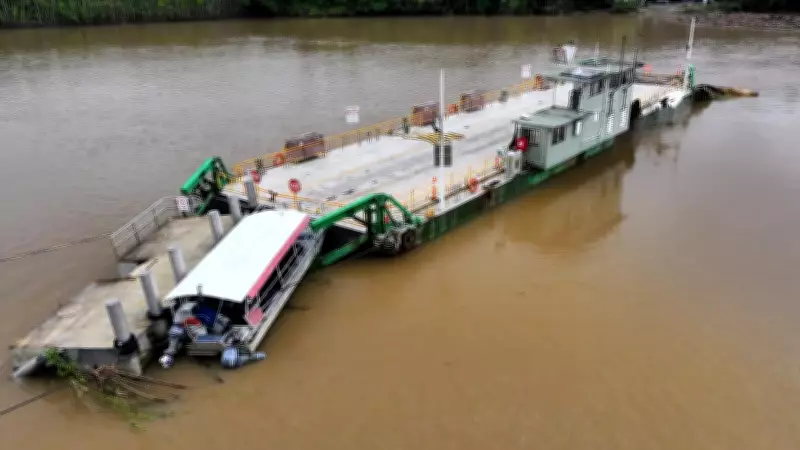
Daintree Residents Stranded as Ferry Fails, Demand Disaster Relief
Residents in the remote Daintree region of Far North Queensland are facing severe isolation after the critical ferry service connecting them to the outside world broke down unexpectedly. The stricken ferry, which is the only vehicle access point for many in the area, has left locals pleading for immediate disaster relief from authorities to address the crisis.
The ferry malfunction has effectively cut off the Daintree community, disrupting essential services such as medical supplies, food deliveries, and daily commutes. With no alternative routes available due to the region's rugged terrain and river crossings, residents are expressing growing frustration over the lack of a swift response from government agencies.
Urgent Calls for Government Action
Local advocates and community leaders are urging the Queensland government to declare the situation a disaster, which would unlock emergency funding and resources to repair or replace the ferry. They argue that the breakdown highlights the vulnerability of the region's infrastructure and the need for long-term solutions to prevent future incidents.

Many residents rely on the ferry for work, education, and healthcare, with some reporting missed medical appointments and economic losses due to the disruption. The isolation has also raised concerns about safety, particularly in cases of emergencies that require rapid evacuation or medical assistance.
Impact on Daily Life and Economy
The ferry failure is not just an inconvenience but a significant blow to the local economy, which depends on tourism and agriculture. Tourists are unable to access popular attractions in the Daintree, leading to cancellations and financial strain on businesses. Farmers are struggling to transport goods to markets, exacerbating the economic impact.
Community members have organized temporary measures, such as boat lifts for urgent needs, but these are insufficient for sustained operations. They emphasize that a permanent fix is essential to restore normalcy and prevent further hardship in the region.
As the situation continues, residents remain hopeful that their pleas for disaster relief will be heard, stressing the importance of reliable infrastructure in remote areas. The incident serves as a stark reminder of the challenges faced by isolated communities in Australia and the critical role of government support in times of crisis.