Construction Kicks Off on Second Festival Tower Amid Public Outcry
Construction has officially begun on a second Festival Tower, a move that has ignited significant protests from local residents and community groups. The project, which aims to expand urban infrastructure, has faced opposition due to concerns over its potential impact on the area's character and livability.
Protests Erupt as Building Work Commences
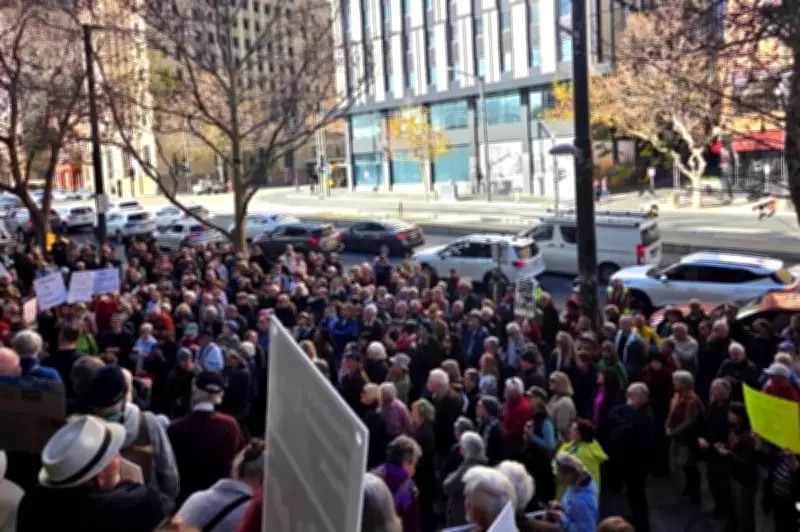
As construction crews started work on the new tower, protesters gathered at the site to voice their dissent. Demonstrators held signs and chanted slogans, highlighting worries about increased congestion, loss of green spaces, and changes to the neighborhood's aesthetic. The protests reflect broader tensions between development goals and community preservation in rapidly growing urban areas.
Details of the Festival Tower Project
The second Festival Tower is part of a larger initiative to boost local economy and tourism, with plans for mixed-use spaces including retail, residential, and entertainment facilities. Proponents argue it will create jobs and enhance the city's appeal, but critics question the necessity and timing, especially given existing infrastructure strains.

Community Concerns and Developer Responses
Residents have raised specific issues, such as:
- Traffic and Parking: Fears of worsened traffic conditions and insufficient parking options.
- Environmental Impact: Concerns about construction waste and long-term sustainability effects.
- Noise and Disruption: Complaints about noise pollution and daily disruptions during the build phase.
In response, developers have emphasized their commitment to minimizing disruptions and engaging with the community through consultations. They point to economic benefits and improved amenities as key justifications for the project.
Looking Ahead: Implications for Urban Planning
This situation underscores ongoing debates in urban development, balancing growth with community needs. As construction progresses, it will be crucial to monitor how protests evolve and whether compromises can be reached to address public concerns while advancing the project's objectives.