Great Barrier Reef Tour Operators Warn of Price Rises After 50% Cost Spike
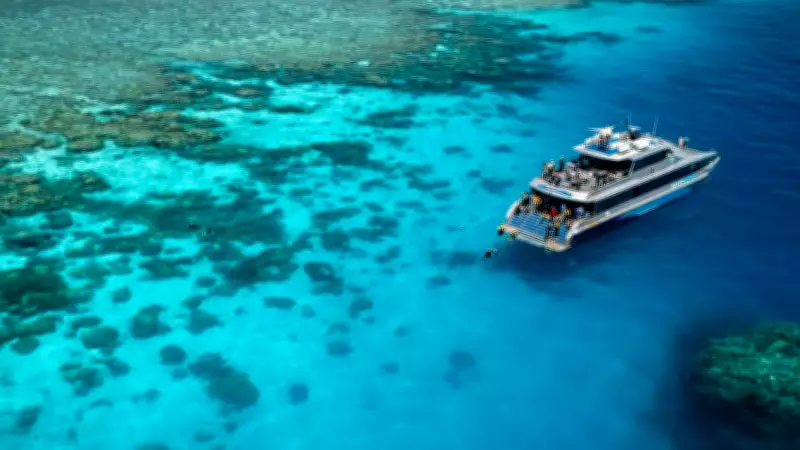
Cairns-based tour operators are sounding the alarm over a sharp increase in operational costs, which they say will inevitably lead to higher prices for visitors to the Great Barrier Reef. According to industry insiders, costs have surged by approximately 50% in recent months, driven by a combination of factors including rising fuel prices, escalating insurance premiums, and increased maintenance expenses for boats and equipment.
Drivers of the Cost Increase
The spike in operational costs is multifaceted, with several key elements contributing to the financial strain on reef tour businesses. Fuel prices have been a major factor, as operators rely heavily on diesel for their vessels to transport tourists to and from the reef sites. Additionally, insurance costs have skyrocketed due to heightened risks associated with marine tourism, including weather-related incidents and liability concerns. Maintenance and repair costs for aging fleets have also added to the burden, with parts and labor becoming more expensive.
Local operators emphasize that these cost pressures are unsustainable without passing some of the burden onto consumers. We are facing a perfect storm of rising expenses that threaten the viability of our businesses, said one tour operator who wished to remain anonymous. If we don't adjust our prices, we risk going under, which would be devastating for the local economy and tourism sector.

Impact on Tourism and Local Economy
The potential price rises could have significant repercussions for tourism in the Cairns region, which heavily depends on the Great Barrier Reef as a major attraction. Higher tour prices may deter budget-conscious travelers, leading to a decline in visitor numbers and, consequently, reduced revenue for local businesses such as hotels, restaurants, and retail shops. This could exacerbate economic challenges in an area still recovering from the impacts of the COVID-19 pandemic and recent natural disasters.
Industry experts warn that if costs continue to climb unchecked, it could lead to a reduction in the quality of services offered, as operators may cut corners to save money. This, in turn, could harm the reputation of the Great Barrier Reef as a premier tourist destination, affecting its long-term sustainability.
Possible Solutions and Future Outlook
In response to the crisis, tour operators are exploring various strategies to mitigate the impact of rising costs. These include:
- Implementing more efficient fuel management systems to reduce consumption.
- Negotiating with insurance providers for better rates or alternative coverage options.
- Investing in newer, more fuel-efficient vessels to lower long-term maintenance expenses.
- Seeking government support or subsidies to help offset some of the increased operational costs.
However, many operators acknowledge that price adjustments are inevitable in the short term. We are committed to providing a high-quality experience for our guests, but we also need to ensure our businesses remain profitable and sustainable, another operator stated. The industry is calling for greater collaboration with policymakers and stakeholders to address these challenges and protect the vital tourism economy centered around the Great Barrier Reef.