Navigating London's Historic Core: A Journey Through Time and Culture
In the bustling capital of England, London's most renowned attractions are concentrated within and around the Square Mile, the historic financial district. While iconic red double-decker buses and efficient underground trains provide convenient transport, the compact nature of this area makes it ideal for exploration on foot, allowing visitors to immerse themselves in centuries of history and modern vibrancy.
Iconic Landmarks and Architectural Marvels
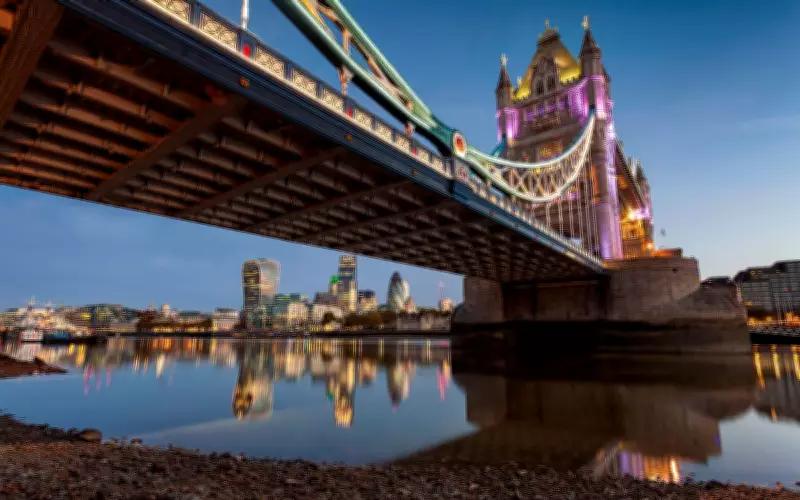
At the southeastern edge of the City, the formidable Tower of London and the majestic Tower Bridge dominate the skyline above the River Thames. A leisurely 20-minute walk westward leads to the highest point of the Square Mile, where St Paul's Cathedral stands as a masterpiece of architecture, with Ludgate Hill and Fleet Street trailing behind towards the lively West End. Beyond these famous sites, the City harbors numerous hidden treasures, such as the Barbican estate and arts centre, a post-war brutalist complex nestled among ancient city wall remnants, and the Mithraeum, which preserves the ruins of a Roman temple dating back to AD240 when London was known as Londinium.
Guided walking tours offer fascinating insights into the merchants, guilds, monks, monarchs, and other figures who have shaped the City over the centuries. For independent explorers, tracing the footsteps of Charles Dickens at locations like Ye Olde Cheshire Cheese off Fleet Street provides a literary connection. To capture breathtaking panoramic views, ascend the 311 steps of The Monument, a 62-meter column commemorating the Great Fire of London in 1666, or take the lift to the Sky Garden at 20 Fenchurch Street, a modern skyscraper nicknamed the Walkie Talkie, where access requires a reservation at its bars or a free slot for the public garden.

Cultural and Historical Diversions
On weekdays, the Bank of England Museum offers a free and intriguing diversion, showcasing gold, silver, and banknotes from its extensive collection while detailing the institution's role in steering the British economy since 1694. The area's markets also boast deep historical roots, with Leadenhall Market tracing its origins to the Middle Ages, though the beautiful Victorian arcade seen today—perfect for shopping, dining, and wining—is a more recent development, famously featured in the 2001 film Harry Potter And The Philosopher's Stone.
Later this year, the London Museum, formerly the Museum of London, will reopen at renovated market buildings in Smithfield, a site historically used for livestock trading from the 12th to 19th centuries before becoming a wholesale meat market. Just beyond the former city walls, vibrant neighborhoods like Spitalfields in the East End reveal a tapestry of immigration influences, from French Huguenot and Jewish silk merchants to South Asian textile workers and recent arrivals from Hong Kong, all leaving their mark on Brick Lane with its curry restaurants, bagel shops, street art, and eclectic markets.
Vibrant Markets and Community Hubs
Sundays draw large crowds to Brick Lane and the nearby Petticoat Lane Market, where dozens of stalls offer everything from fashion to food, while a smaller food market operates from Monday to Friday. Old Spitalfields Market, a covered Victorian structure with a modern extension, attracts visitors daily with permanent stalls, shops, and kitchens, complemented by rotating guest traders. Special events include the Urban Makers Market on Wednesdays for independent artisans, antique dealers on Thursdays, a fortnightly vinyl market on the first and third Fridays, and seasonal celebrations like Lunar New Year and autumnal wine evenings.
Adjacent to the market on Commercial Street, Christ Church Spitalfields stands out with its Gothic-inspired steeple and neoclassical facade, designed by Nicholas Hawksmoor in the early 18th century. This landmark is just one of many that will captivate wanderers exploring the City of London and its surroundings, offering a blend of historical depth and contemporary energy that defines this unique urban landscape.