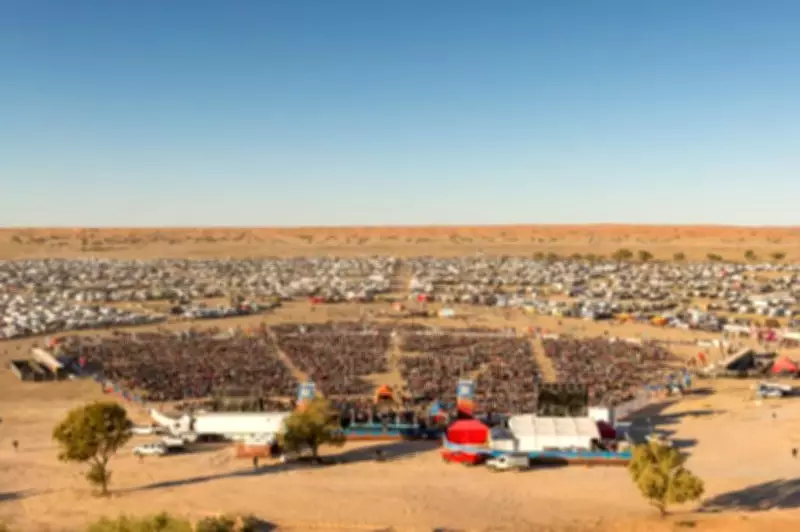
Heavy Rains Force Festival Scramble but Tourists Still Flock as Desert Disappears
In an extraordinary turn of events, heavy rains have caused a major festival in South Australia to scramble its schedule, while simultaneously drawing tourists in droves to witness the rare phenomenon of a desert landscape disappearing under water. This unusual situation highlights the dual impact of extreme weather on local events and tourism, creating both challenges and opportunities for the region.
Festival Organisers Forced to Adapt Quickly
The festival, which was scheduled to take place over the weekend, faced significant disruptions due to the unanticipated heavy rainfall. Organisers were compelled to make last-minute changes to the event's program, including relocating outdoor activities to indoor venues and adjusting performance times. Despite these hurdles, the festival managed to proceed, albeit with a modified format that prioritised safety and accessibility for attendees.
Local authorities reported that the rains were among the heaviest recorded in the area for this time of year, leading to flooding in some low-lying regions. This forced festival staff to work around the clock to implement contingency plans, ensuring that the event could continue without major cancellations. The scramble involved coordinating with vendors, artists, and volunteers to adapt to the changing conditions, showcasing the community's resilience in the face of adversity.

Tourists Flock to Witness Desert Transformation
While the festival faced challenges, the heavy rains also created a unique attraction for tourists. The desert landscape, typically arid and dry, has temporarily disappeared under pools of water, transforming into a rare and picturesque scene. This phenomenon has drawn visitors from across the country and beyond, eager to capture photos and experience the fleeting beauty of the water-covered desert.
Tourism officials noted a significant increase in visitor numbers to the region, with many travellers specifically coming to see the desert's transformation. Local businesses, such as hotels and restaurants, have reported a boost in activity, benefiting from the influx of tourists despite the adverse weather conditions. This unexpected surge in tourism has provided an economic lift to the area, offsetting some of the disruptions caused by the rains.
Environmental and Economic Implications
The heavy rains and the resulting desert disappearance have sparked discussions about environmental changes and their impact on local ecosystems. Experts suggest that such events may become more frequent due to climate shifts, potentially altering the region's natural landscape in the long term. Meanwhile, the economic effects are mixed, with festival-related losses balanced by gains in tourism revenue.
- Festival organisers incurred additional costs for venue changes and logistics.
- Tourism operators saw increased bookings and sales during the period.
- Local residents experienced both inconveniences and benefits from the weather event.
Looking ahead, stakeholders are considering how to better prepare for similar situations in the future, including improving infrastructure and planning for weather-related contingencies. The event has underscored the importance of adaptability in managing both cultural festivals and natural attractions in an era of unpredictable weather patterns.