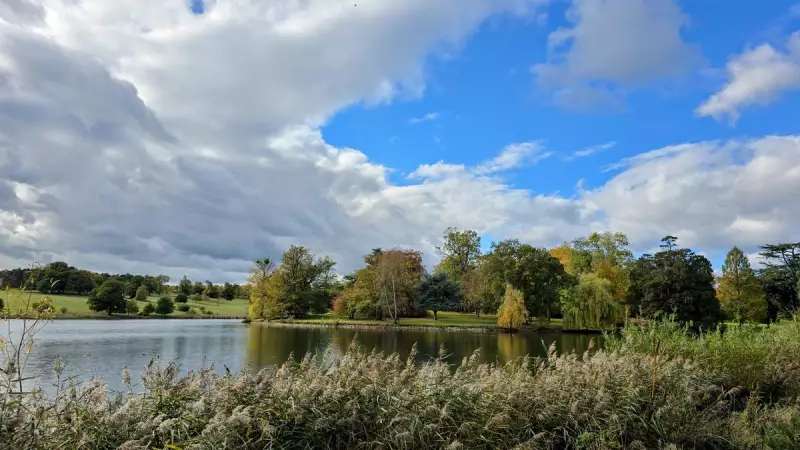
After a scenic drive from Cambridge with stops in Ely and Peterborough, arriving in Stamford felt like a step into a familiar scene. This wasn't deja vu, but the recognition of a historic Lincolnshire market town and its grand neighbour, Burghley House, from countless films and television series.
A Town Steeped in History and Hollywood
Despite it being my first physical visit, the streets of Stamford were intimately known from the screen. This picturesque location has served as the backdrop for major productions including Middlemarch, Pride and Prejudice, The Crown, The Da Vinci Code, and Guillermo del Toro's recent Frankenstein adaptation. My wife and I based ourselves for three nights in a charming cottage in nearby Tinwell Village, perfectly positioned to explore both the town and the grand estate that drew us here: Burghley House.
Stamford itself, with origins tracing back to Anglo-Saxon times, retains a wonderfully traditional and rural character. It shares traits with other notable English market towns like Ludlow and Cirencester but feels less modernised. We enjoyed leisurely strolls along the River Welland and through cobbled streets, marvelling at the remarkable architecture. The town boasts over 600 heritage-listed limestone Georgian buildings, five medieval churches, and treasures like the 15th-century Browne's Hospital almshouse. It's easy to see why Sir Walter Scott once called it "the finest sight on the road between Edinburgh and London".

The Grand Attraction: Burghley House
The primary draw, however, remains Burghley House. Fans of the 2005 Pride & Prejudice film will instantly recognise it as Rosings Park, the imposing residence of Lady Catherine de Bourgh. This is a classic example of an Elizabethan "prodigy house", built between 1555 and 1587 by Sir William Cecil, Lord High Treasurer to Queen Elizabeth I, to impress the monarch. It remains the ancestral home of the Cecil family.
The estate is staggering in its scale and artistry. The house sits within more than 800 hectares of gardens, largely designed by the legendary Capability Brown, and features a contemporary sculpture garden. The house itself, with nearly 120 lavishly furnished rooms, is a monument to Renaissance splendour. Having pre-booked tickets from Perth, we collected our guide and embarked on the public tour.
Opulence That Overwhelms the Senses
The interior is an assault on the senses in the best possible way. Every room is adorned with Old Master paintings, intricate tapestries, and exquisite objets d'art. Magnificent frescoes by Antonio Verrio cover ceilings, and fine furniture inlaid with mother-of-pearl and tortoiseshell abounds. One room stood out: the Second George Room, prepared for a visit by Queen Victoria and Prince Albert in 1844. It features a state bed from 1795, later modified for royalty, and a marble fireplace designed by the famed Giovanni Battista Piranesi.
The sheer density of priceless artefacts and artistic detail is breathtaking. After several hours immersed in such grandeur, the quiet sanctuary of our Tinwell cottage provided a welcome and necessary respite. For travellers seeking a slice of English history, both real and cinematic, Stamford and the magnificent Burghley House deliver an unforgettable experience.
+ For more travel information on Stamford and Burghley House, visit visitlincolnshire.com/destinations.