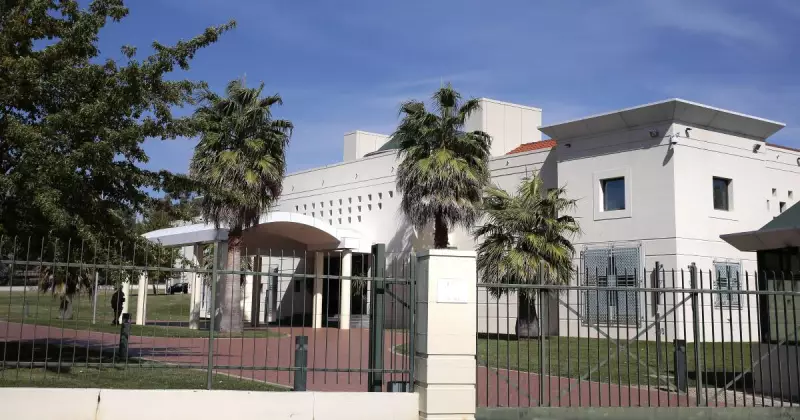
In a landmark ruling with significant implications for foreign missions in Australia, the Federal Court has cleared a path for 13 former employees to pursue unfair dismissal claims against the Royal Embassy of Saudi Arabia in Canberra. The court decisively found the embassy was not shielded by state immunity in this employment dispute.
Court Dismisses Embassy's Final Appeal
On Monday, December 15, 2025, a full bench of the Federal Court of Australia dismissed the embassy's application for a judicial review. This was the diplomatic mission's final attempt to overturn an earlier Fair Work Commission decision that asserted jurisdiction over the case. The justices—Elizabeth Raper, Michael Lee, and Darryl Rangiah—unanimously rejected all five legal arguments presented by the embassy's lawyers.
The former staff members, who had worked at the Yarralumla embassy for periods ranging from nine to 15 years, all ceased employment in 2022. Initially, 18 workers launched action, but the cases of five individuals were dismissed as they could not prove they were permanent Australian residents at the relevant time.

A Long Legal Battle Over Sovereign Immunity
The legal journey began in May 2024 when Fair Work Commission deputy president Michael Easton made a pivotal finding. He ruled that the embassy did not enjoy immunity as a sovereign foreign state in this context, allowing the unfair dismissal allegations to proceed. The commission's full bench later dismissed the embassy's appeal against this decision.
The embassy's main contention revolved around state immunity under international law, which generally protects foreign nations from the jurisdiction of local courts. However, exceptions exist, notably for matters concerning employment contracts. The embassy's legal team argued on several complex grounds, including whether the Fair Work Commission constituted a "court" under the relevant act and whether the employees' contracts were lawful.
In his 2024 decision, Deputy President Easton noted that "many aspects of the [cultural embassy's] arguments failed on grounds that should have been obvious." The Federal Court bench has now firmly upheld this stance, closing the door on further appeals on these specific points.
Implications for Foreign Missions and Workers in Australia
This ruling reinforces the principle that diplomatic missions operating in Australia are not above domestic employment laws. It sends a clear message to the hundreds of foreign embassies and consulates across the country, particularly in the national capital, that local staff hired under Australian conditions have recourse to the national workplace relations system.
The case now returns to the Fair Work Commission, where the substantive claims of the 13 former employees will be heard. They will have the opportunity to argue that their dismissals were harsh, unjust, or unreasonable under the Fair Work Act 2009.
This precedent-setting decision balances the respect for sovereign immunity with the protection of workers' rights, ensuring that those employed within Australia's borders can seek justice through its established legal frameworks.