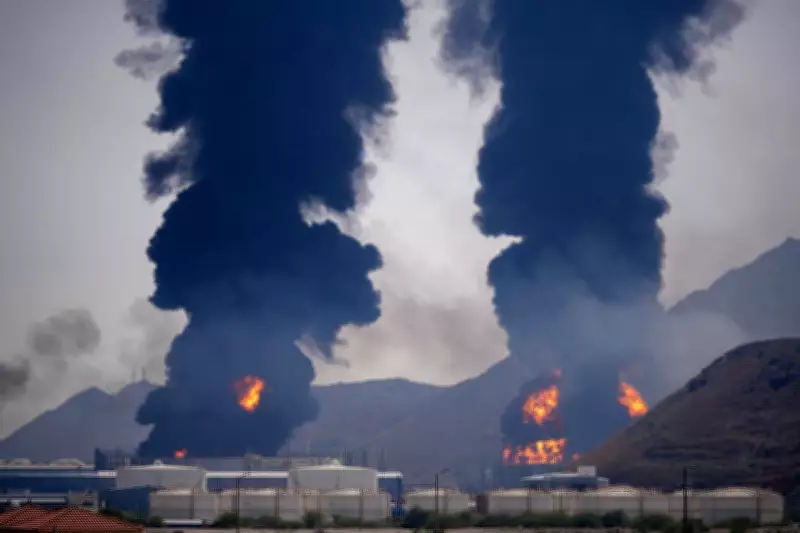
Australian Stock Market Faces Pressure as Middle East Strikes Escalate Oil Prices
The Australian stock market experienced a sharp downturn today, driven by worrying new strikes on gas plants in the Middle East that have sent oil prices higher. This development has heightened geopolitical tensions, leading to a sell-off in shares as investors brace for potential disruptions to global energy supplies.
Impact of Middle East Strikes on Global Energy Markets
The strikes on gas plants in the Middle East have directly contributed to a surge in oil prices, with Brent crude and West Texas Intermediate both climbing significantly. This increase is attributed to fears of reduced output and supply chain interruptions in a key oil-producing region. The escalation in conflict has raised concerns about broader economic stability, affecting markets worldwide.
In Australia, the stock market reacted swiftly to these events. Major indices, including the ASX 200, saw declines as energy and resource stocks were particularly hard hit. Investors are closely monitoring the situation, as prolonged instability in the Middle East could lead to sustained high oil prices, impacting inflation and economic growth.

Analysis of Market Reactions and Investor Sentiment
Market analysts note that the strikes have amplified existing worries about geopolitical risks in the Middle East. The rise in oil prices is expected to increase costs for businesses and consumers, potentially slowing economic activity. This has led to a cautious approach among investors, with many shifting to safer assets amid the uncertainty.
The Australian stock market's performance is closely tied to global energy trends, and today's events underscore this connection. Sectors such as mining and energy, which are significant contributors to the Australian economy, faced notable losses. Additionally, broader market sentiment was dampened by concerns over how higher oil prices might affect corporate earnings and investment returns.
Future Outlook and Potential Scenarios
Looking ahead, the situation remains fluid, with potential for further volatility in oil markets and stock exchanges. Key factors to watch include:
- The duration and intensity of the strikes in the Middle East.
- Responses from major oil-producing nations and international bodies.
- Impacts on global supply chains and energy-dependent industries.
If oil prices continue to rise, it could lead to increased inflationary pressures, prompting central banks to reconsider monetary policies. For the Australian stock market, this means ongoing challenges as investors navigate a complex landscape of geopolitical and economic risks.
In summary, the new strikes on Middle East gas plants have sent oil prices higher, hammering Australian shares and highlighting the interconnected nature of global markets. Stakeholders are advised to stay informed and prepared for potential shifts in the economic environment.