Parents Invest in Multi-Generational Home as Gen Z Kids Struggle with Housing Affordability
In a bold response to Australia's escalating housing crisis, a Perth couple has purchased a spacious multi-generational house to provide long-term shelter for their children and future grandchildren. Renee Tyler, 37, and Miguel Alvarenga, 44, both public transport workers, made this strategic move after facing the harsh reality that their adult offspring might never afford to buy or rent independently.
A Family's Creative Solution to a Widespread Problem
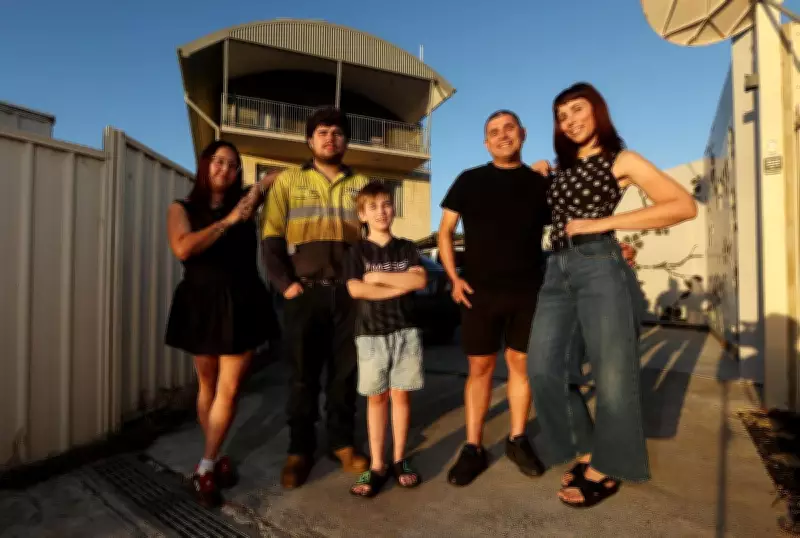
After a grueling six-month search and over 20 rejected offers, Tyler and Alvarenga secured a unique five-bedroom, five-bathroom, three-storey home in Spearwood for $950,000 in June last year. The property, built in 2011 on a 390sqm block, comfortably houses the couple and three of their children: Sarah, 24, Michael, 21, and Cale, 8. With Perth's median house price surpassing $1 million and forecasts predicting further increases of more than 12% in 2026, the family's decision reflects a growing necessity rather than a mere preference.
"We got so stressed when we were looking," Ms Tyler recounted. "It got to a point where we thought we'd have to settle for a three-bedroom house because everything, whether good or bad, small or big, seemed to cost a million dollars. We realized our kids likely won't be able to move out due to the rental crisis and unattainable market prices."

Rising Trend of Intergenerational Living in Western Australia
According to Suzanne Brown, president of the Real Estate Institute of Western Australia, households with multiple generations are becoming increasingly common across the state. Economic pressures, including skyrocketing sale and rent prices, are driving this shift. "We've definitely seen household sizes increase, mainly due to affordability issues," Ms Brown explained. "Many families are living together to combat rising costs, and this trend is expected to continue as supply remains constrained with only about 2000 properties on the market for sale."
She added that while younger generations grapple with housing unaffordability, older Australians face their own challenges, such as the high cost or limited availability of aged care beds. Intergenerational living offers a practical solution by easing financial burdens across age groups.
Expert Insights and Broader Implications
Richard Whitten, a home loans expert from comparison website Finder, confirms that intergenerational housing is a growing trend in Australia. "Much of this is a result of worsening housing affordability," he said. "It's now common for adult children to move back in with their parents to save money. This approach not only addresses the housing crisis but also helps with the costs of aged care and childcare, bringing families closer together."
A Finder survey of over 1000 people revealed that 13% of Australians have either returned to live with parents or had an adult child come home in the past five years. For the Tyler-Alvarenga family, this arrangement has alleviated stress for their older children, who previously felt "left behind" in the competitive property market.
Designing for the Future
The Spearwood home, spanning 350sqm, was originally designed to accommodate three families, with each level offering independent living quarters. Ms Tyler envisions this setup as crucial for the future, allowing her children to potentially live there with partners and kids. "I always joke that if they want to stay with their husbands, wives, and children, it's cool because they can have a level each," she said. "We didn't want to wait and risk being unable to provide this help in five years as prices keep rising."
This forward-thinking approach has already brought the blended family closer, with the older children contributing positively to household dynamics. Ms Tyler expressed gratitude, noting that the arrangement has allowed her adult kids to focus on enjoying their youth, such as traveling, without the burden of housing worries.

Conclusion: A New Normal in Australian Housing
As housing affordability worsens due to factors like low listings, limited land supply, and slow build completions, intergenerational homes are emerging as a vital strategy for families. The Tyler-Alvarengas hope their children will eventually buy their own homes, but they are prepared to offer shelter "forever" if needed. This story underscores a shifting landscape where the traditional Australian dream of homeownership is being redefined by economic realities, making multi-generational living not just a temporary fix but a sustainable long-term solution for many households across the nation.