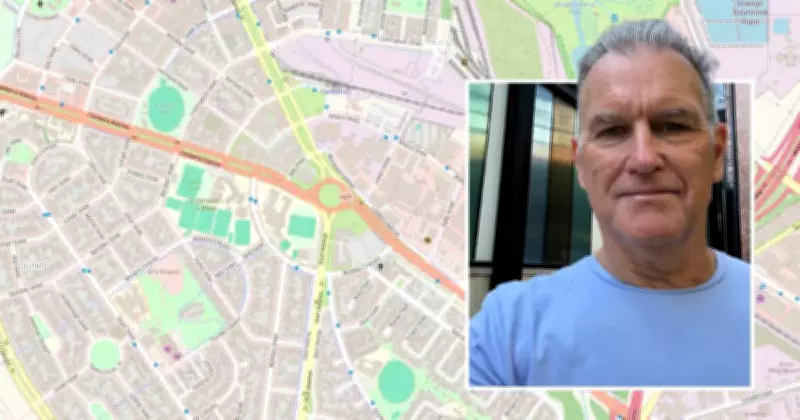
Freshly uncovered documents have revealed that a federal agency's controversial plan to develop land around a crash-prone Canberra roundabout was initially conceived by a private developer who owned properties in the precinct. The National Capital Authority's proposal to allow buildings up to 15 storeys high around the Hume Circle roundabout on Canberra Avenue follows years of prior discussions with the Jega Consortium.
Developer's Early Involvement in Planning Process
The National Capital Authority had engaged in multiple meetings with the Jega Consortium well before submitting its proposed amendment to develop blocks surrounding the problematic Hume Circle roundabout. Records show the federal agency was first approached by the developer with a potential development proposal for the Hume Circle area in October 2023.
At a December 2024 board meeting, the NCA officially "noted and considered" the Consortium's presentation regarding their development intentions for the site. By April 2025, the Authority had progressed to examining an early draft of the Urban Design Framework proposed by the Jega Consortium, discussing key planning matters including the NCA's responsibilities for Canberra Avenue.

Official Response and Planning Justification
An NCA spokesperson explained that the developer's draft proposal provided "supporting evidence" that existing landowners had already identified the area for potential urban development opportunities. The spokesperson clarified that the Authority regularly supports and advises developers, including the ACT government, on potential proposals to help them understand National Capital Plan requirements before formal submission through the works approval process.
Jega Consortium director John Gasson detailed how his group had purchased two blocks on Mildura Street in Fyshwick approximately five years before the NCA's draft amendment announcement. After demolishing existing structures and obtaining development approval, the consortium decided to expand their vision when the ACT government introduced an Eastlake place plan for the broader area.
Historical Context and Community Opposition
The Hume roundabout holds particular significance as it was originally intended to serve as an entryway into the capital under Walter Burley Griffin and Marion Mahony Griffin's foundational city plan. Most of the surrounding area, which recorded more than 45 crashes in 2024 alone, is currently zoned for commercial and industrial use.
However, the proposed amendment has faced resistance from some community members. Nearby residents have petitioned against the plan, expressing concerns about potential loss of established medium-density housing, green space, amenity, and community cohesion. Their petition garnered 37 signatures when tabled in the Legislative Assembly on February 5, 2026.
Extended Consultation and Developer's Vision
The submission period for the proposed amendment was extended by two weeks following community complaints about the consultation process. Despite opposition, the developer remains optimistic about the plan's potential benefits.
Mr Gasson argued that concentrating density in one location could actually reduce passing traffic around the problematic roundabout. He described the precinct as "bigger than Casey" and positioned it as a sustainable alternative to suburban sprawl into Canberra's bushland, calling it a "50- to 100-year master plan."
The developer highlighted the area's strategic advantages, noting that workplaces for more than 148,000 people—representing 54 percent of all jobs in the ACT—are located within five kilometres of the Hume Circle. This proximity to employment centers forms a key part of the development rationale, suggesting the potential for creating a more integrated urban environment that reduces commuting pressures across the territory.