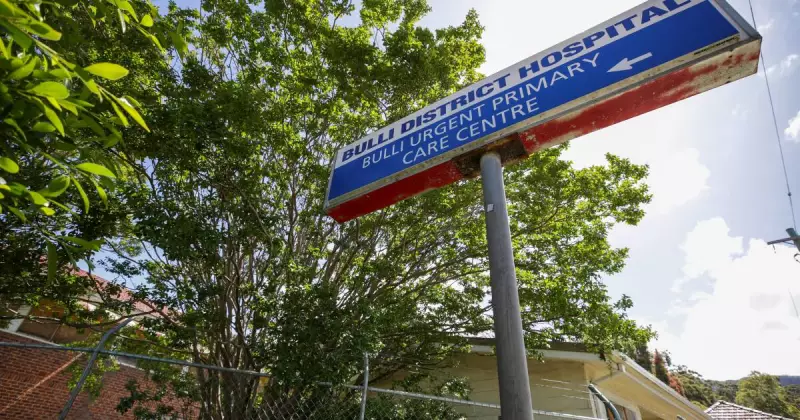
Plans to transform the former Bulli Hospital site into a new residential precinct have hit a snag, forcing the project's delivery to be split into two distinct stages. The state-owned developer Landcom has lodged a modification to its development application with Wollongong City Council, citing unresolved "complexities" along the site's southern boundary.
What's Changing with the Bulli Hospital Project?
The core change involves subdividing the land in two phases instead of one. Landcom already holds consent to create 16 housing lots on the Hospital Road site, with a vision for 50 new homes. This mix is planned to include freestanding houses, duplexes, and terraces, supported by internal roads and space for 58 parking spots.
While demolition work is already underway, detailed design issues are preventing the bulk of the subdivision from proceeding. The modification application states that resolving these matters is essential before most of the site can be developed.

Breaking Down the Two-Stage Approach
The proposed staging is designed to keep the project moving. The first stage will proceed as planned, dealing with the less complex portions of the site.
The second stage will specifically address the tricky southern boundary. Key works deferred to this phase include:
- The construction of necessary retaining walls along the southern boundary.
- The subdivision to create four specific lots.
- Associated stormwater drainage works.
This strategic split allows the detailed design for the complex southern area to be finalised without holding up the entire project.
Next Steps and Community Input
The development application modification is now on public exhibition, giving the community a chance to review the proposed changes. The exhibition period runs until January 13, after which Wollongong City Council will consider the submission.
The need for this revision underscores the challenges often faced in redeveloping older, constrained sites. While the overall vision for the Bulli Hospital site—delivering much-needed housing in the Illawarra—remains unchanged, the path to completion has required a pragmatic adjustment to navigate the site's specific physical challenges.