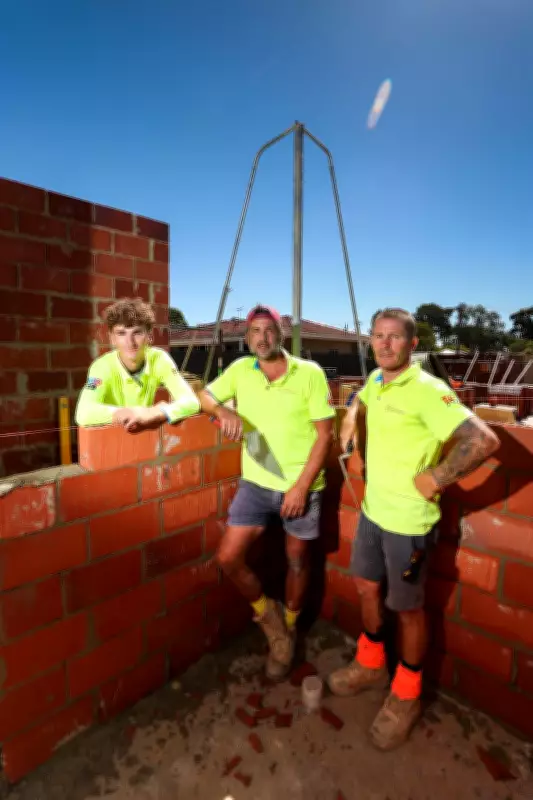
Brick Supply Delays Create Major Headache for Australian Housing Industry
Australia's housing sector is facing yet another significant challenge as severe brick supply delays are causing widespread disruptions across the construction industry. These delays are exacerbating existing pressures, including labor shortages and rising material costs, leading to extended project timelines and increased frustration among builders and developers.
Impact on Construction Timelines
The brick supply issues are directly impacting construction schedules, with many projects experiencing substantial delays. Builders report that waiting times for bricks have extended from weeks to several months in some cases, forcing them to adjust their project plans and manage client expectations. This disruption is particularly problematic in a market already struggling with high demand and tight deadlines.
These delays are not isolated incidents; they are part of a broader pattern of supply chain challenges affecting the construction sector. The combination of brick shortages and other material constraints is creating a perfect storm that threatens to slow down housing development at a critical time.

Root Causes of the Supply Issues
Several factors are contributing to the brick supply delays. Increased demand for housing, both for new builds and renovations, has put pressure on manufacturers to produce more bricks. Additionally, logistical challenges, including transportation bottlenecks and labor shortages in manufacturing plants, are hindering the timely delivery of bricks to construction sites.
The situation is further complicated by global supply chain disruptions, which have affected the availability of raw materials needed for brick production. This has led to reduced output from some manufacturers, exacerbating the shortage and making it difficult for builders to secure the materials they need.
Broader Implications for the Housing Market
The brick supply delays have broader implications for the Australian housing market. Extended construction timelines can lead to increased costs for builders, which may be passed on to homebuyers in the form of higher prices. This could potentially slow down the pace of new housing developments, exacerbating the existing shortage of affordable homes.
Moreover, the delays are adding to the stress on an industry already grappling with multiple challenges. Builders are having to navigate a complex landscape of material shortages, regulatory hurdles, and fluctuating demand, making it increasingly difficult to complete projects on time and within budget.
Potential Solutions and Industry Response
Industry stakeholders are exploring various solutions to address the brick supply issues. Some builders are considering alternative materials or adjusting their construction methods to reduce reliance on bricks. Others are working closely with suppliers to secure long-term contracts and ensure a more stable supply chain.
Manufacturers, on the other hand, are investing in capacity expansion and process improvements to increase production and meet growing demand. However, these measures take time to implement, and in the short term, the industry may continue to face challenges related to brick availability.
In conclusion, the brick supply delays represent a significant headache for the Australian housing industry, highlighting the vulnerabilities in the construction supply chain. As the sector works to overcome these challenges, collaboration between builders, suppliers, and policymakers will be crucial to ensuring a more resilient and efficient housing market for the future.