Brick Shortage Adds to Australia's Housing Woes, Slowing Construction Nationwide
A critical brick shortage has emerged as the latest significant impediment in Australia's long-running housing crisis, further complicating efforts to address the nation's acute shortage of affordable homes. This supply chain disruption is causing widespread construction delays and escalating costs for new housing projects across the country.
Supply Chain Issues Intensify Building Material Shortages
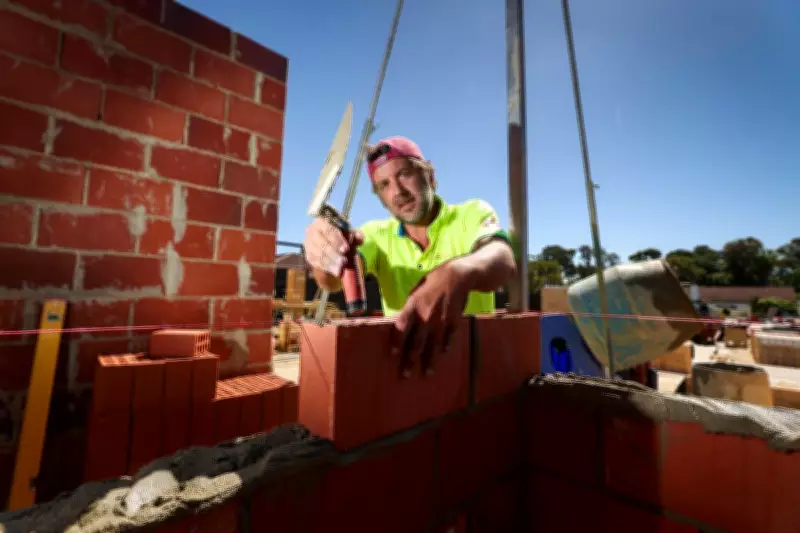
The brick shortage is part of a broader crisis in building materials, which has been exacerbated by global supply chain disruptions, increased demand from the construction sector, and local production challenges. Industry experts report that builders are facing wait times of several months for brick deliveries, forcing many to halt or slow down construction on new homes and developments.
This situation is particularly severe in urban areas and growing regional centres, where housing demand is highest. The shortage is not limited to bricks alone; it reflects a cumulative effect of shortages in other essential materials like timber, steel, and cement, creating a perfect storm for the construction industry.

Impact on Housing Affordability and Market Dynamics
The brick shortage is directly contributing to rising construction costs, which are being passed on to homebuyers in the form of higher prices for new properties. This comes at a time when housing affordability is already a pressing issue for many Australians, with property prices and rental rates reaching record levels in many cities.
Delays in construction are also prolonging the time it takes to bring new housing stock to market, worsening the overall supply shortage. Industry analysts warn that without immediate intervention, the brick shortage could extend the housing crisis for years, undermining government initiatives aimed at boosting housing supply.
Industry Response and Potential Solutions
Construction companies and industry bodies are calling for urgent measures to address the brick shortage, including:
- Increasing local brick production capacity to reduce reliance on imports.
- Streamlining regulatory approvals for new manufacturing facilities.
- Investing in alternative building materials and technologies to diversify supply options.
- Enhancing supply chain resilience through better logistics and inventory management.
Some builders are already adapting by using alternative materials or redesigning projects to minimise brick usage, but these solutions are often more costly or less desirable for consumers. The long-term fix requires coordinated efforts between government, industry, and suppliers to stabilise the building materials market.
Broader Implications for the Economy and Policy
The brick shortage highlights the interconnected nature of Australia's housing crisis, linking material supply issues with broader economic and policy challenges. It underscores the need for a holistic approach to housing that addresses not only planning and funding but also the availability of construction resources.
As the housing crisis continues to dominate public discourse, the brick shortage serves as a stark reminder of the practical obstacles facing efforts to increase housing supply. Resolving this issue will be crucial for any meaningful progress in alleviating Australia's housing affordability pressures and ensuring sustainable growth in the property market.