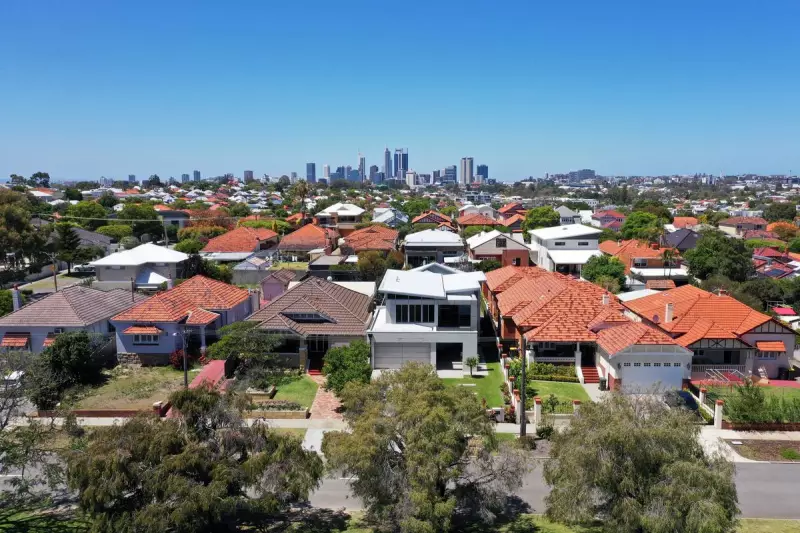
A new analysis has delivered a sobering comparison for Australian homeowners and investors, revealing that the anticipated growth in the housing market for 2025 will be a fraction of the explosive increases seen during the iconic boom of the late 1980s.
The Stark Numbers: 2025 Forecast vs. Historic Boom
According to data from leading property analytics firm CoreLogic, national home values are projected to rise by approximately 5 to 7 per cent over the 2025 calendar year. This forecast, while positive, stands in stark contrast to the market conditions of 1988 and 1989. During that period, capital city home values skyrocketed by an astonishing 30.2 per cent and 25.3 per cent respectively in just those two years alone.
The report underscores that the current economic environment is fundamentally different from the free-wheeling credit conditions of the late 80s. Back then, interest rates were significantly higher, but lending standards were far more relaxed, fuelling a rapid inflation of property prices that is unlikely to be repeated under today's stringent regulatory framework.

Understanding the Key Drivers Behind the Slowdown
Several critical factors are contributing to the more moderate growth trajectory expected for 2025. The most prominent is the sustained pressure from high interest rates, which continue to strain household budgets and limit borrowing capacity. Unlike the 1980s, today's buyers face rigorous serviceability assessments from banks, putting a natural ceiling on how much they can borrow.
Furthermore, persistent cost-of-living pressures are diverting funds away from potential mortgage repayments or savings for a deposit. Wages, while growing, are not keeping pace with the inflation seen in previous decades, eroding purchasing power. This creates a more cautious buyer pool, focused on affordability rather than speculative gains.
The CoreLogic analysis also points to a shift in market psychology. The fear of missing out (FOMO) that characterised previous booms has been tempered by a greater awareness of market cycles and economic risks. Buyers and sellers are now more data-driven and responsive to macroeconomic signals like Reserve Bank announcements and employment figures.
Implications for Buyers, Sellers, and the Broader Economy
For prospective buyers, especially first-home buyers, this moderated growth forecast offers a double-edged sword. On one hand, it suggests that runaway price growth may not immediately push the dream of home ownership further out of reach. It allows more time for saving a deposit without prices sprinting away. On the other hand, high interest rates remain a significant barrier to entry, making the initial years of a mortgage exceptionally challenging.
For sellers and existing homeowners, the era of effortless, double-digit annual capital gains appears to be over for the foreseeable future. Growth will be more incremental and closely tied to specific locations and property types. This environment rewards patience and a long-term investment horizon over short-term flipping strategies.
From a broader economic perspective, a steadier housing market can contribute to greater financial stability. It reduces the risk of a destabilising bubble and the severe correction that often follows. However, it also highlights the ongoing and profound challenge of housing affordability, which remains a critical policy issue for federal and state governments. The report implicitly suggests that solutions will need to come from increased supply and innovative policy, rather than relying on market forces alone to provide affordable entry points.
In conclusion, while the Australian property market is expected to continue growing in 2025, its pace is firmly anchored in a new reality. The dizzying heights of the 1980s boom serve as a historical benchmark, not a contemporary target, reminding all market participants that sustainable growth is now the priority.