A tragic incident has occurred at a major mining operation in the Northern Territory, resulting in the death of a worker. The fatality took place at the Tanami gold mine, located approximately 450 kilometres northwest of Alice Springs, on Wednesday.
Details of the Mining Site Incident
According to a statement from site operator Newmont, the worker was killed at the underground facility. The exact circumstances surrounding the death remain unclear at this stage, with investigations likely underway to determine the cause of the fatal accident.
Newmont's Response and Safety Commitment
A spokesperson for Newmont conveyed deep condolences in a formal statement, emphasising the company's focus on supporting those affected. "Our thoughts are with the individual's family, friends and colleagues during this very difficult time," the spokesperson said. "Safety remains our highest priority, and we are committed to supporting our people."

In response to the incident, all mining activities at the Tanami site have been suspended indefinitely. This halt in operations is a standard procedure following such serious workplace accidents, allowing for a thorough investigation and ensuring no further risks to personnel.
Profile of the Tanami Gold Mine
The Tanami mine is a significant asset in Australia's mining sector, having been owned and operated by Newmont since 2002. It stands as one of the country's largest underground gold mines, with notable scale and depth.
Key facts about the Tanami operation include:
- The mine extends more than 1.7 kilometres below the surface.
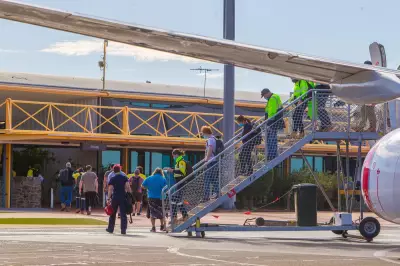
- It employs over 1,800 fly-in fly-out personnel, highlighting its remote location and the reliance on a rotational workforce.
- As a major gold producer, it contributes substantially to the Northern Territory's economy and the national mining industry.
This incident underscores the inherent dangers present in the mining industry, particularly in deep underground operations. It serves as a sombre reminder of the critical importance of workplace safety protocols and continuous risk management in high-hazard environments.