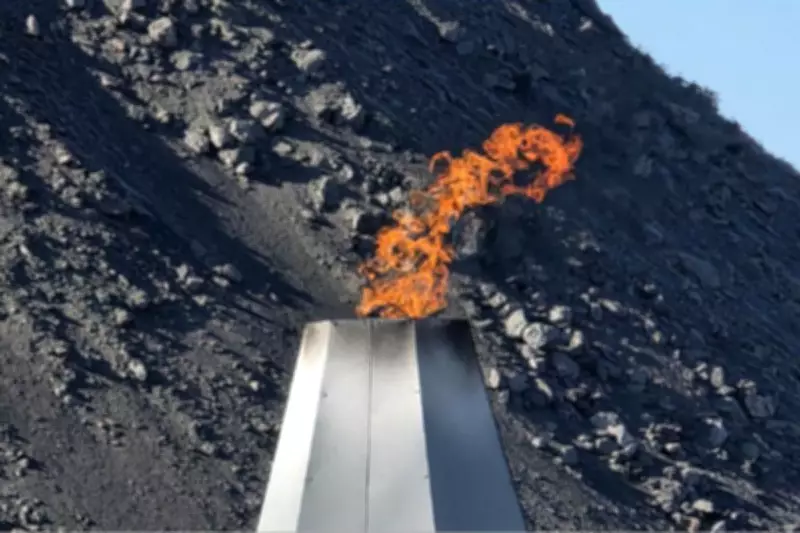
TMK Energy has delivered another outstanding performance, setting fresh gas production records at its Pilot Well project, a key component of the Gurvantes XXXV coal seam gas initiative in southern Mongolia. The company's latest achievements underscore a period of sustained growth and operational success.
Record-Breaking Production Figures
On January 21, TMK Energy established a new daily production benchmark, reaching 674 cubic metres of gas, equivalent to over 23,800 standard cubic feet per day. This milestone was complemented by a monthly record in January, with total gas production hitting 18,370 cubic metres, surpassing December's previous high of 16,306 cubic metres.
Average daily gas production for January climbed to 593 cubic metres, marking a solid 13 per cent increase from December's average of 526 cubic metres. Water production remained steady at an average of 497 barrels per day, contributing to the project's overall stability.

Strategic Well Performance and Future Prospects
The LF-07 well, drilled last year using a larger, more powerful TXD200 rig, has been a standout performer. It became the first well to exceed 10,000 standard cubic feet per day, achieving this feat twice in January. This success is part of a broader trend, with the project now boasting six consecutive months of increasing gas production.
TMK Energy's Chief Executive Officer, Dougal Ferguson, expressed confidence in the project's trajectory, noting that the consistent growth reinforces the company's strategic direction. "Six months in a row of increasing gas production has further bolstered our confidence in the Project," Ferguson stated.
Key Technical Developments and Testing
Management is planning additional pressure build-up tests in February to gather more data on reservoir pressure reduction, known as desorption. This process is crucial for significantly increasing gas volumes. The company believes it is moving closer to the required desorption pressure levels, with recent reservoir modelling outlining a clear path forward.
Notably, the steady water production of nearly 500 barrels per day is aiding in depressurising the reservoir, facilitating gas desorption from the coal seams. Recent analysis confirms that most of this water originates from the coal seams themselves, indicating strong coal seam permeability and supporting the project's technical viability.
Project Scale and Environmental Context
The Pilot Well project spans 60 square kilometres in the Nariin Sukhait area, with TMK Energy holding Mongolia's largest contingent resource of natural gas at 1,214 billion cubic feet. The broader project area covers 8,400 square kilometres, containing a prospective resource of 5,300 billion cubic feet.
Mongolia is actively transitioning towards cleaner energy sources, moving away from traditional coal-based power. Coal seam gas is considered a cleaner alternative, producing approximately half the carbon emissions of coal-generated electricity and burning more cleanly than other fossil fuels.
Operational Advantages and Regional Impact
TMK Energy benefits from a predominantly Mongolian workforce, experienced in handling the region's challenging winter conditions, including light snow and sub-zero temperatures. The company's strategic location near China and its northern gas pipelines positions it well to contribute to cleaner energy production for Mongolia and the wider Eastern Asian region.
With plans to scale up to commercial production levels, TMK Energy is poised to play a pivotal role in Mongolia's energy future, leveraging its technical expertise and resource base to drive sustainable growth.