Estrella Resources Accelerates Manganese Exports from Timor-Leste's Ira Miri Project
Estrella Resources is steadily transforming its Ira Miri manganese project in Timor-Leste from an exploration concept into a production reality. The company has successfully intersected the targeted manganese horizon as extraction activities gain momentum, marking a significant step forward for both the project and the nation's mining sector.
Milestone Achievement for Timor-Leste's Mining Industry
The company is working towards delivering up to 30,000 tonnes of high-grade manganese ore as a market sample. This milestone represents not only a crucial development for the project but also Timor-Leste's first minerals export since the adoption of its new mining code. A recently signed agreement with the national mineral authority, Autoridade Nacional dos Minerais, I.P., grants Estrella the green light to mine bulk samples and prepare them for sale. This move is expected to unlock what is likely the first taste of mining royalty revenue for the government in modern times.
Validation of Exploration Model and Extraction Progress
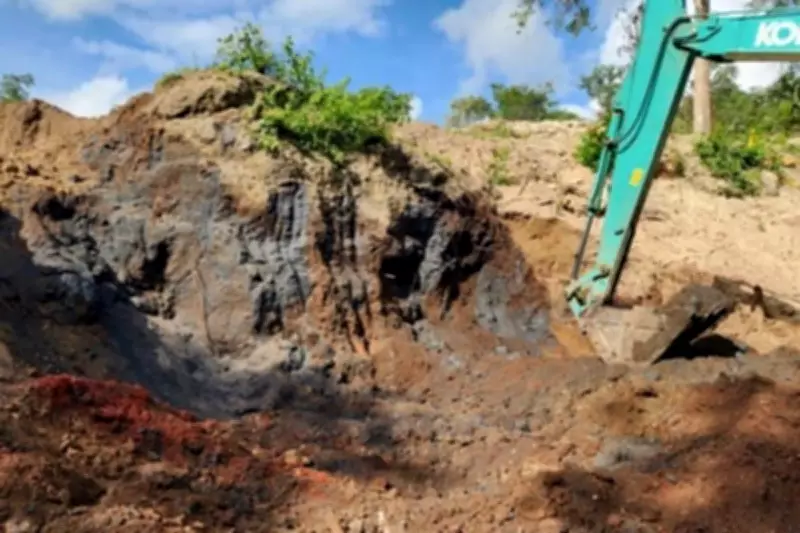
Earth movers have now struck the distinctive red-brown clay horizon overlying the manganese mineralisation, validating Estrella's exploration model developed from drilling completed in 2025. The company reports that the mineralised horizon sits close to the surface, aligning neatly with earlier drilling results. The manganese is hosted within a sequence of clay units containing layered manganese oxides, providing favourable conditions for simple extraction and grade control.

Significantly, additional manganese-bearing material has been identified outside the initial sample extraction area, pointing to broader mineralisation potential beyond the current pit design. With favourable weather conditions and steady progress on site, Estrella has initiated its production ramp-up plan. Additional heavy equipment has been mobilised, lighting towers installed to enable night shifts, and the pit is now operating with a substantial fleet, including excavators, dump trucks, bulldozers, and graders.
Operational Details and Logistics
Two mine supervisors are overseeing excavation activities, while Estrella's geologists have commenced detailed grade control sampling. This work focuses on ore identification and quality categorisation to optimise the extraction sequence and generate a formal product specification sheet for potential buyers. Simultaneously, Estrella has intensified discussions with several potential international end-users.
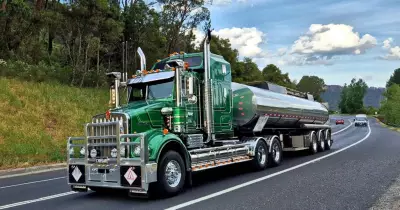
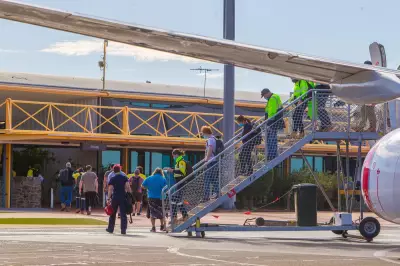
Initial manganese ore has already been stockpiled at the pithead, awaiting haulage. A new road network has been installed to improve access to the stockpile, with material set to be transported approximately 17 kilometres to the former Lautem airstrip, adjacent to a decommissioned fish-processing facility. From there, ore will be loaded onto barges and shipped offshore for transfer to bulk carriers.
Broader Implications and Future Prospects
With the successful intersection of the manganese horizon and the identification of further mineralisation within a clay unit, the Ira Miri project continues to advance towards the production of an initial market sample. Estrella Resources managing director Chris Daws emphasised that the manganese market sample of up to 30,000 tonnes is significant not only for project development but also for Timor-Leste, representing the first minerals export following the adoption of the new Mining Code.
Beyond the Ira Miri manganese project, Estrella has been actively developing its promising Werumata limestone prospect. Late last year, the company completed a 3,717-metre drilling program across 42 reverse circulation and diamond holes, aimed at outlining what could be a substantial, high-purity limestone resource. Early conceptual estimates suggest an exploration target in the order of 500 million tonnes, potentially sufficient to supply Timor-Leste's domestic needs for generations.

Drilling has already revealed impressive thicknesses, with limestone units at the Baucau prospect reaching up to 87 metres thick, and Batu Putih returning chalk horizons up to 38 metres. When combined, the key carbonate-rich units extend to as much as 112 metres, with an average thickness of about 57 metres across the project area. With drilling now complete, assays from the limestone samples are pending, with results expected shortly to provide the market with its first real insight into the purity and industrial potential of Werumata's thick carbonate sequences.
As manganese gains recognition as a key input for steelmaking and battery cathode chemistry, Estrella's push towards first production positions Ira Miri as both a nation-building project and a timely new entrant into the global critical-minerals supply chain.