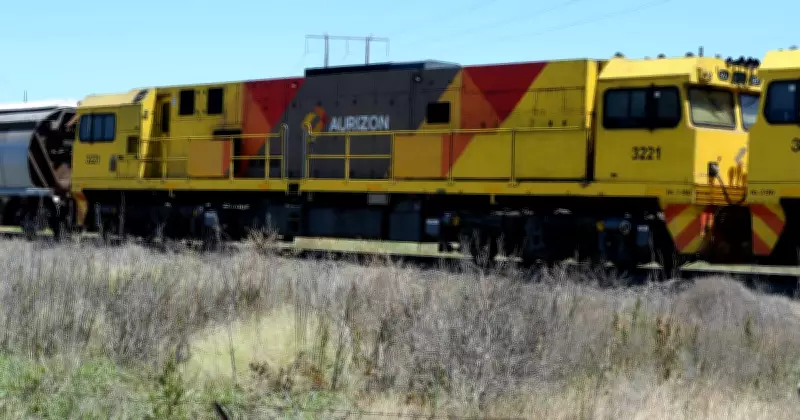
Aurizon Coal Workers Strike for 30 Hours in Major Pay Dispute
Workers at Aurizon, a major Australian coal transport company, have initiated a 30-hour strike as part of an escalating pay dispute. The industrial action, which began recently, has significantly disrupted operations at key sites, drawing attention to ongoing tensions between labor and management in the mining and logistics sectors.
Details of the Industrial Action
The strike involves a substantial number of employees who are protesting what they describe as inadequate wage offers from the company. According to union representatives, the workers are seeking better pay and improved working conditions to keep pace with rising living costs and industry demands. The 30-hour duration of the strike is designed to maximize impact while minimizing long-term operational damage, but it has already caused delays in coal transport and related services.
This industrial action comes amid broader economic challenges, including fluctuations in the global coal market and increased operational costs. Aurizon has stated that it is committed to resolving the dispute through negotiations, but the strike underscores the deep-seated frustrations among workers who feel their contributions are not being adequately compensated.

Impact on Operations and Industry
The strike has led to temporary shutdowns and reduced activity at several Aurizon facilities, affecting coal supply chains and potentially impacting downstream industries that rely on timely deliveries. Industry analysts note that such disputes can have ripple effects across the economy, particularly in regions dependent on mining and transport. Local communities and businesses may experience short-term disruptions, highlighting the interconnected nature of industrial actions in key sectors.
In response, Aurizon management has emphasized its efforts to maintain service levels where possible and is working with stakeholders to mitigate the strike's effects. However, the company faces pressure to address worker concerns promptly to avoid prolonged disruptions and further industrial unrest.
Broader Context and Future Outlook
This pay dispute is part of a larger pattern of industrial actions in Australia's mining and transport industries, where workers are increasingly vocal about wage stagnation and job security. Recent years have seen similar strikes across various sectors, reflecting a growing push for fair compensation in the face of economic uncertainty. As negotiations continue, both sides are urged to find a balanced solution that supports worker welfare while ensuring the company's operational viability.
The outcome of this dispute could set a precedent for future labor negotiations in the industry, making it a critical issue to watch. For now, the 30-hour strike serves as a stark reminder of the ongoing challenges in balancing corporate interests with employee rights in Australia's industrial landscape.