Smartphone vs Compact Camera: The Ultimate Travel Photography Guide for 2026
As travel season approaches, many photography enthusiasts like reader Annie Mullan are debating whether to invest in a new smartphone with advanced cameras or opt for a dedicated compact camera for their journeys. With technology evolving rapidly, this decision has become more complex than ever.
Question 1: Which Device Offers Better Photo Quality for Travel?
Annie, planning a trip to the UK and Europe, expressed concerns about her current iPhone 11 not matching the quality of her old SLR or Lumix compact camera. She seeks advice on whether to upgrade to a new iPhone or purchase a compact camera with superior zoom and wide-angle capabilities.
Answer 1: Smartphones as All-in-One Solutions

For those leaning towards smartphones, the iPhone 17 Pro stands out with its triple-lens system. It features a 48MP main camera (24mm equivalent), a 48MP ultrawide lens (13mm), and a 48MP telephoto lens offering 4x optical zoom (100mm equivalent) and an 8x "optical-quality" zoom (200mm equivalent) through software enhancement. This setup effectively provides the versatility of eight lenses in one device.
Android users should consider the Samsung Galaxy S26 Ultra, released in March 2026. This flagship model boasts a 200MP main camera with improved low-light performance and a 50MP 5x periscope telephoto lens, powered by advanced Galaxy AI and a Snapdragon 8 Elite Gen 5 processor.
Compact Camera Recommendations
If a dedicated camera is preferred, the Sony ZV-1F Compact Camera is a top choice at $699. Weighing only 229g, it includes a one-inch 20.1 MP sensor, a flip-out touchscreen, and zoom options up to 4.0x. Its 425 contrast-detection autofocus points ensure sharp images, and it excels in video recording with background blur effects in auto mode.
Other notable compact cameras include:
- Canon PowerShot SX740 HS ($699)
- Panasonic LUMIX FZ80D Compact Camera ($899)
- Optinexo Compact Camera ($213), which offers 5K video, 18x digital zoom, and a 180-degree display, with a free upgrade from the 4K version.
Question 2: How to Secure Your Device from Theft While Traveling?
Annie also raised concerns about smartphone theft, worrying that constantly using a phone for photos and navigation makes travelers vulnerable. She wonders if a camera might be a safer, less desirable target for thieves, especially as she feels more susceptible with age.
Answer 2: Effective Security Solutions
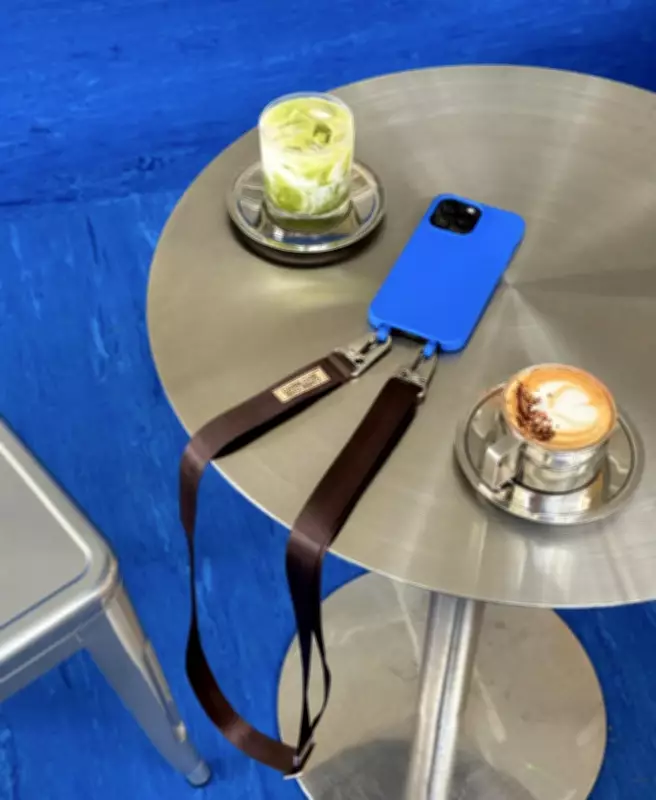
Given the essential role phones play in travel, securing them is crucial. One effective option is the Carrie Case with eyelets and a lanyard, priced at $60 for the case and $50 for the lanyard, or paracords for $42. This setup allows you to attach the phone securely to your person.
Another innovative solution is the Peak Design cuff camera wrist strap, typically $61-$69. Originally designed for cameras, it can be adapted for phones using toggles that attach to security eyelets. When not in use, the magnetic strap wraps comfortably around your wrist.
To use these straps, you may need an adapter like the Peak Design mobile strap adapter ($19.95), which sticks to the back of your phone or case, providing a secure attachment point for lanyards or cuffs.
By choosing the right device and implementing robust security measures, travelers can enjoy capturing memories without compromising safety or quality.