Western Australia's gas industry is experiencing unprecedented growth, with production and exports reaching record levels, even as the Albanese government pursues policies that critics say threaten the state's successful energy sector.
Record Production and Exports
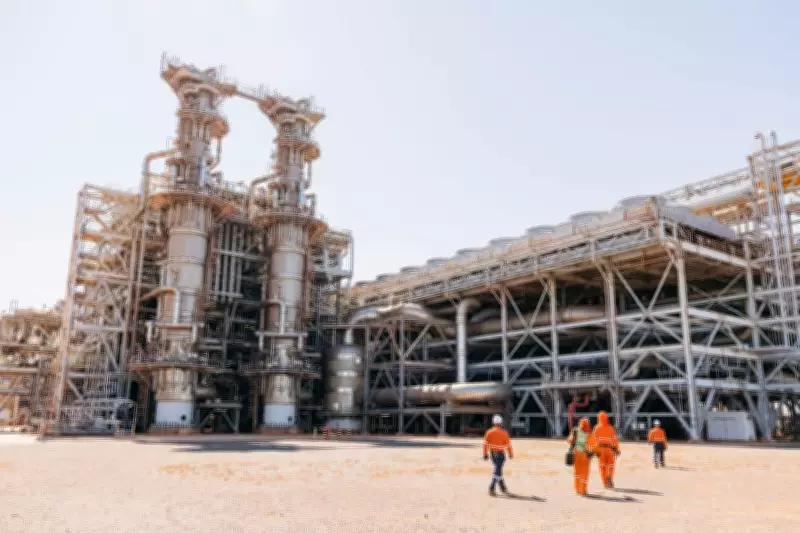
The state's liquefied natural gas (LNG) exports have surged, with major projects like the North West Shelf, Pluto, and Gorgon ramping up output. According to industry data, WA's LNG exports are expected to exceed 45 million tonnes this year, worth over $50 billion. This boom has been driven by strong demand from Asia, particularly China, Japan, and South Korea.
Federal Intervention Concerns
However, the industry's success has been overshadowed by the Albanese government's attempts to tighten control over the energy sector. The federal government has proposed new regulations, including caps on gas prices and increased intervention in domestic supply arrangements. Industry leaders argue these measures could deter investment and undermine WA's competitive advantage.

Western Australian Premier Roger Cook has been vocal in opposing federal intervention, stating that the state's gas industry operates efficiently and provides affordable energy to households and businesses. He warned that over-regulation could lead to job losses and reduced economic growth.
Investment and Job Creation
Despite these concerns, investment in WA's gas sector continues to flow. Major companies, including Woodside, Chevron, and Shell, are investing billions in new projects and expansions. The industry supports over 100,000 jobs directly and indirectly, contributing significantly to the state's economy.
New projects, such as the Scarborough gas field development and the Pluto Train 2 expansion, are expected to create thousands of jobs and boost production further. These projects are crucial for maintaining WA's position as a leading global LNG supplier.
Environmental and Community Impact
The gas industry's growth has not been without controversy. Environmental groups have raised concerns about greenhouse gas emissions and the impact on marine ecosystems. The industry has responded by investing in carbon capture and storage technologies and adopting more sustainable practices.
Local communities have also benefited from the industry's expansion, with increased funding for infrastructure, education, and health services. Royalty payments from gas projects contribute billions to the state budget, funding essential services.
Future Outlook
Looking ahead, the WA gas industry faces both opportunities and challenges. Global demand for LNG is expected to grow as countries seek cleaner alternatives to coal. However, the transition to renewable energy and potential federal regulatory changes could impact the sector's long-term viability.
Industry representatives remain optimistic, emphasizing that WA's gas is a critical part of the energy transition. They call for a balanced approach that supports investment while addressing environmental concerns.
The Albanese government has indicated it will continue to engage with state and industry stakeholders to find a path forward that ensures energy security and affordability while meeting climate goals. The outcome of these discussions will shape the future of WA's gas industry and its role in Australia's energy landscape.