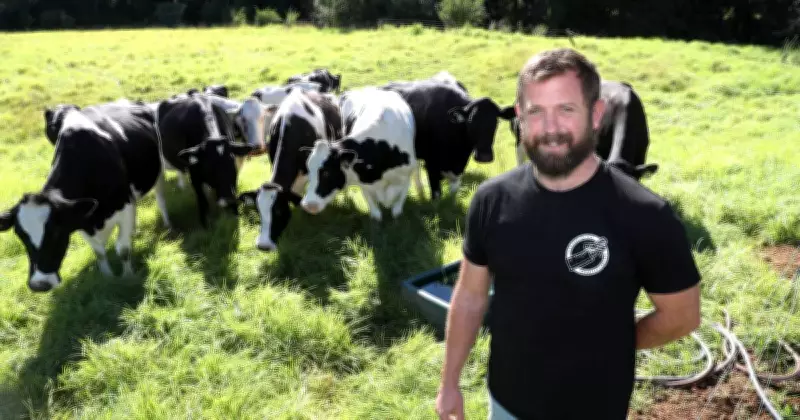
Illawarra farmer Greg Mumm has highlighted the environmental benefits of dairy beef production, claiming it can cut greenhouse gas emissions by half compared to traditional beef farming. Speaking at a recent agricultural forum, Mumm emphasised that integrating dairy and beef systems not only reduces carbon footprint but also improves efficiency and profitability for farmers.
Environmental Impact of Dairy Beef
According to Mumm, dairy beef—derived from male calves born in dairy herds—offers a significant reduction in emissions. 'By utilising these animals, we avoid the need for dedicated beef breeding herds, which have a higher environmental cost,' he explained. Research supports his claims, showing that dairy beef systems produce up to 50% fewer emissions per kilogram of meat compared to conventional beef operations.
Benefits for Farmers
Mumm, who runs a mixed farming operation in the Illawarra region, noted that dairy beef provides an additional income stream for dairy farmers. 'Instead of disposing of male calves, farmers can raise them for beef, turning a cost into a profit,' he said. This practice also reduces waste and supports more sustainable land use.

Industry Implications
The shift towards dairy beef aligns with broader efforts to reduce agriculture's environmental impact. Mumm called for greater industry support and consumer awareness to promote this sustainable alternative. 'We need to educate consumers about the benefits of dairy beef and encourage retailers to stock it,' he urged. The Illawarra farmer's insights come as the agricultural sector faces increasing pressure to lower emissions while maintaining food production.
Mumm's advocacy highlights the potential for dairy beef to play a key role in Australia's sustainable farming future. With emissions reduction targets becoming more stringent, such innovations could help the industry meet environmental goals without compromising productivity.