Adam Triggs' Oil Reserve Plan Faces Criticism, Smart EV Transition Emerges as Key Solution
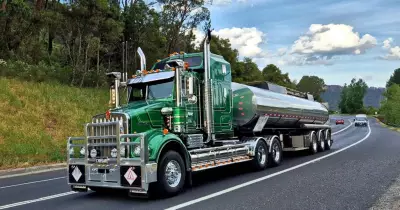
In a recent development, Adam Triggs' proposal for bolstering oil reserves has been met with significant criticism from energy experts and policymakers. The plan, which advocates for increased strategic petroleum stockpiles, is being labeled as misguided and outdated in the face of evolving global energy dynamics.
Flaws in Triggs' Oil Reserve Strategy
Triggs' approach focuses on traditional fossil fuel security, but critics argue it fails to address the urgent need for decarbonization and energy diversification. According to analysts, relying on oil reserves perpetuates dependency on volatile international markets and ignores the long-term risks associated with climate change. This strategy is seen as a short-sighted fix that could hinder progress toward sustainable energy goals.
The Smart Shift to Electric Vehicles
In contrast, a smarter and more forward-thinking solution is gaining traction: a strategic shift to electric vehicles (EVs). Experts emphasize that investing in EV infrastructure and adoption offers a dual benefit of reducing oil demand while enhancing energy security through domestic electricity sources. This transition aligns with global trends toward renewable energy and technological innovation.

- EVs reduce reliance on imported oil, mitigating geopolitical risks.
- They lower greenhouse gas emissions, contributing to climate targets.
- Supporting EV growth stimulates local economies and job creation in green sectors.
Policy Implications and Future Directions
The debate highlights a broader policy crossroads. While Triggs' plan represents a conservative stance, the EV shift advocates for proactive adaptation to a changing energy landscape. Policymakers are urged to prioritize investments in charging networks, renewable energy integration, and incentives for EV uptake to secure a resilient and sustainable future.
In summary, Adam Triggs' oil reserve proposal is widely regarded as incorrect, with the smart EV transition holding the key to effective energy security and environmental stewardship. This perspective underscores the importance of embracing innovation over outdated strategies in addressing contemporary challenges.