Regional Fuel Shortages Prompt Calls for Public Transport Use
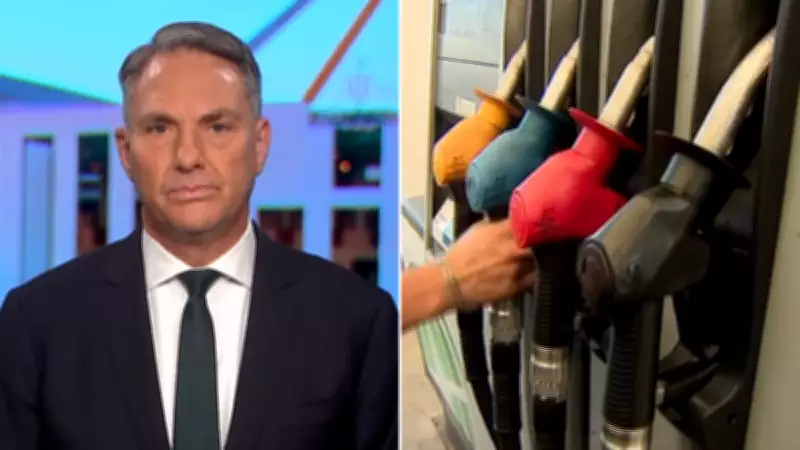
Frustration is escalating across regional Australia as fuel shortages have left numerous petrol stations without supplies, leading farmers to appeal to city residents to abandon their cars and rely on public transport to conserve fuel. However, Deputy Prime Minister Richard Marles has firmly rejected this suggestion, urging Australians not to alter their behavior despite the ongoing crisis.
Government Releases Fuel Reserves to Ease Pressure
In response to the shortages, the federal government has taken action by releasing 700 million litres of petrol and diesel from Australia's national fuel reserves. This amount represents approximately 20 per cent of the country's total stockpile. Marles emphasized that this fuel will be prioritized for regional communities, where the shortages have been most severe.
"Part of it will go around the country, but there is a particular emphasis on the regions as areas that are most significantly in need at this moment," Marles stated during an interview on Sunrise on Tuesday. He added, "We're not suggesting that people take particular steps which are different to what they have before. What we are seeking to do is to get those fuel supplies out there."

Impact on Farmers and Truck Drivers
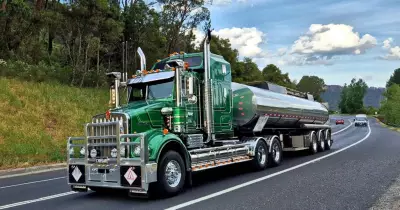
The shortages have stranded farmers and truck drivers in some areas as service stations run dry, raising concerns that supply disruptions could worsen if panic buying spreads. When questioned about the timeline for the reserve fuel to reach consumers, Marles acknowledged that it would take time, saying, "This is going to take some time to come through. We are hopeful that it happens over the coming days. We are doing everything we can to make sure this fuel gets into the hands of consumers as quickly as possible."
Government Rules Out Fuel Rationing
Despite the critical situation, the government has ruled out implementing fuel rationing for now, asserting that the same amount of fuel is entering the country as usual. However, Marles highlighted the broader context, noting, "But clearly, we are mindful of what's playing out in the Middle East, and we can't say how long this conflict will go." The crisis is unfolding amid escalating conflict in the Middle East, which has raised alarms about global supply chains and potential inflationary pressures.
Economic and Inflationary Concerns
Marles acknowledged that the fuel shortages "have the potential to have an impact on the economy" and warned that they "will have an inflationary pressure." He assured that regulators are closely monitoring fuel retailers to prevent price gouging, stating, "Right now, I think Australians can see what's going on internationally, and that's clearly having an impact on inflation." The government continues to work with fuel companies to expedite deliveries and mitigate the effects of the shortages on regional communities.