Pilot Energy Pioneers New Carbon Capture Era in Western Australia
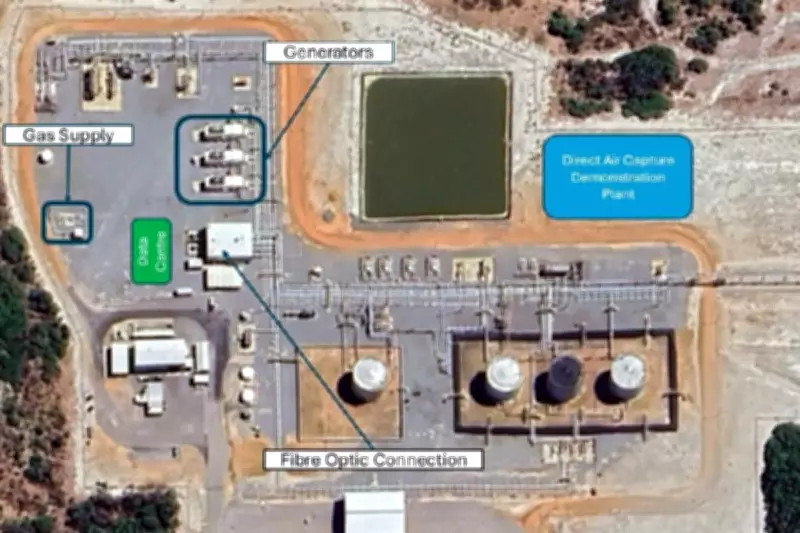
Pilot Energy is on the brink of achieving a national milestone, with Australia's first direct air capture demonstration facility now fully constructed and scheduled to become operational by mid-June. This groundbreaking project is located at the company's Cliff Head onshore plant near Dongara in Western Australia, representing a significant leap in Pilot Energy's transformation from traditional oil and gas operations into the rapidly expanding field of carbon management.
Innovative Technology and Infrastructure Repurposing
The Dongara Direct Air Capture initiative, also referred to as Project Wallaby, is being developed in collaboration with US-based technology firm Capture6. To date, nine containerised modules have been fabricated and installed at the Cliff Head site, with the remaining components expected to arrive in Western Australia by late March. A standout feature of this project is the strategic repurposing of existing infrastructure. The Cliff Head carbon storage operation will generate a consistent flow of saline formation water, historically considered a costly waste product. Capture6's innovative technology converts this brine into a valuable asset, using it as a feedstock to simultaneously recover freshwater and chemically capture carbon dioxide in a single, efficient step.
Unlike conventional direct air capture systems that depend on energy-intensive, multi-stage processes, Capture6's method directly mineralises CO2 while producing beneficial by-products. This approach not only lowers disposal expenses but also creates multiple potential revenue streams, including carbon removal credits, potable water, and green industrial chemicals. Pilot Energy's existing onshore plant can partially process up to 5.5 million litres of saline water daily, providing optimal conditions for the demonstration facility. Power for the plant will be sourced from Pilot's own gas-fired generation infrastructure, which helps reduce capital costs and accelerates project execution.

Future Expansion and Broader Vision
The initial demonstration facility is designed to operate for three months, capturing approximately 300 kilograms of CO2 per day. While this scale is modest, the true potential lies beyond the pilot phase. Based on performance outcomes, Capture6 has indicated the possibility of a commercial-scale rollout capable of removing up to 35,000 tonnes of CO2 annually, with a long-term expansion option targeting an impressive 350,000 tonnes per year. Importantly, this direct air capture project is not an isolated endeavor. It is integral to Pilot Energy's broader strategy to transform the former Arrowsmith plant into the Dongara Energy Centre. In addition to carbon storage and direct air capture, the site is also planned for data centre development, leveraging the region's abundant wind and solar resources and its capacity for permanent carbon storage.
The convergence of clean energy, carbon capture, and existing industrial infrastructure provides Pilot Energy with a unique strategic advantage. While many early-stage carbon projects remain theoretical, the Dongara initiative is swiftly transitioning from concept to tangible implementation. With modules already built, funding support secured, and commissioning just months away, Pilot Energy is positioning itself at the forefront of Australia's emerging carbon removal sector, demonstrating that legacy oil and gas assets can evolve into innovative climate solutions.