Major $750 Million Battery Project Announced for Liddell Power Station Site
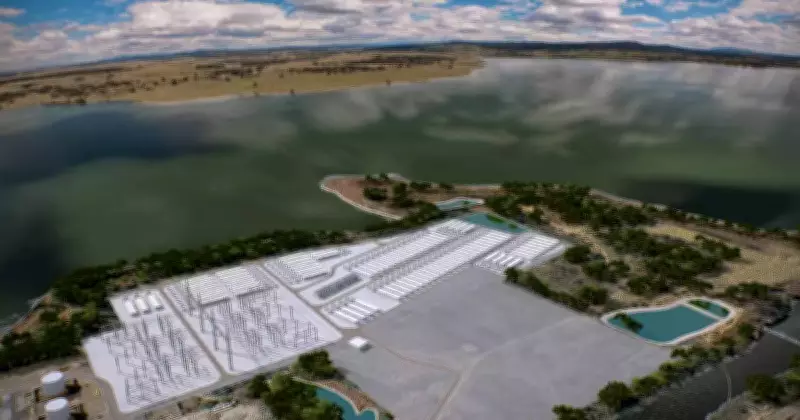
A significant new energy infrastructure project has been unveiled, with a $750 million grid-scale battery set to be constructed at the site of the decommissioned Liddell Power Station. This large-scale battery storage facility is designed to provide backup power for approximately 200,000 homes, marking a substantial step forward in Australia's energy transition efforts.
Enhancing Grid Stability and Renewable Integration
The battery project represents a critical investment in grid reliability and the integration of renewable energy sources. By storing excess energy generated during periods of high renewable output, such as sunny or windy days, the battery can discharge power during peak demand times or when renewable generation is low. This capability helps to stabilise the electricity grid and reduce reliance on fossil fuel-based peaking plants.
The facility will have a capacity of 500 megawatts (MW) with 1,000 megawatt-hours (MWh) of storage, making it one of the largest battery projects in the country. It is expected to commence operations by 2025, following the completion of the Liddell Power Station's closure in 2023. The project will utilise existing grid connection infrastructure at the site, which helps to reduce costs and accelerate development timelines.

Supporting Energy Security and Economic Benefits
This initiative is part of a broader strategy to enhance energy security in the region and support the growing penetration of renewables in the National Electricity Market. The battery will provide essential grid services, including frequency control and network support, which are crucial for maintaining a stable and reliable power supply.
Local communities and the economy are also set to benefit, with the project creating up to 200 jobs during the construction phase and ongoing employment opportunities for operations and maintenance. Additionally, the battery is expected to lower electricity costs by reducing the need for expensive gas-fired generation during peak periods, ultimately benefiting consumers.
The development aligns with state and federal government targets to increase renewable energy capacity and reduce carbon emissions. It underscores the importance of energy storage technologies in achieving a sustainable and resilient energy future for Australia.