Regional Australians Face Weeks of Fuel Shortages Amid Government Delays
Regional Australians grappling with critical fuel shortages could be waiting weeks for relief, as the government's decision to allow higher sulphur fuel sales remains unapproved, with paperwork yet to be finalised. The emergency measure, which would permit the sale of higher sulphur fuel for 60 days, may not receive final approval until the end of this week, leaving farmers and regional communities in a state of uncertainty and frustration.
Government Response and Political Clash
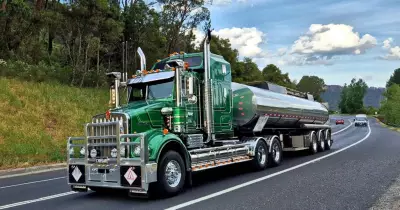
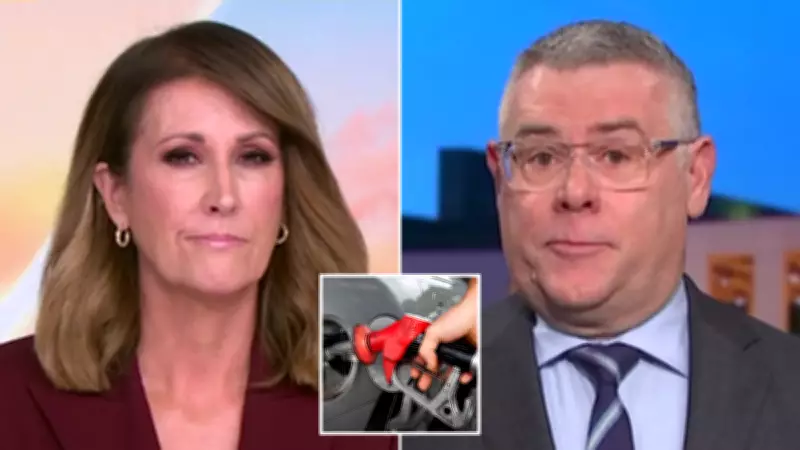
In a Monday morning appearance on Sunrise, Environment Minister Murray Watt defended the government's response to the fuel shortages, which have been triggered by disruptions to supply through the Strait of Hormuz amid the Iran war. Watt stated his team is "working round the clock" to get supplies where they're needed across Australia. He highlighted that Australia has stockpiled billions of litres of fuel, which would last about five weeks if supplies are cut off from overseas. Additionally, the government is releasing up to 762 million litres of petrol and diesel from emergency reserves to meet regional demand.
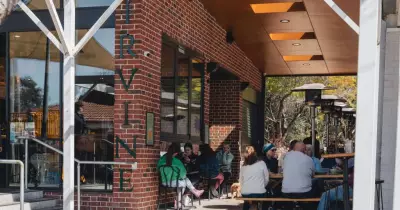
Watt noted, "We now have 37 days reserve of petrol and 30 days reserve of diesel, which is a hell of a lot higher than it was when Barnaby was the deputy prime minister of this country." However, the reality on the ground tells a different story, with service stations like Nathan's Happy Valley store in northwest Victoria running out of fuel and owners forced to limit sales to $50 per car.

Criticism and Broader Concerns
Watt clashed with One Nation MP Barnaby Joyce over the issue in a heated exchange moderated by Sunrise host Nat Barr, who sought answers about the country's fuel security as Aussie motorists face soaring petrol prices. Joyce criticised the government's preparedness, pointing to broader concerns about Australia's fuel security. "We are really hurting now because of this," Joyce said, linking the crisis to climate policy decisions and the closure of oil refineries.
Watt acknowledged the closures, noting Australia now has only two oil refineries compared to six when the previous government was in power. He insisted the government began responding to the crisis as soon as it started and had already lifted fuel reserves since coming into office. "I recognise that there are parts of the country that are experiencing shortages and that's why we've taken these measures to get that fuel out as quickly as we possibly can," he said.
Potential Impact Beyond Fuel
Joyce, however, warned that the crisis could extend beyond fuel, with the plastics industry potentially facing severe shortages. Plastics are essential for manufacturing polythene pipe, water tanks, and numerous other products critical to regional Australia. "This is going to smack us between the eyes. And there's been no plan," Joyce said, emphasising the vulnerability of regional communities to international supply chain disruptions.
The fuel shortage has highlighted Australia's dependence on global supply chains and the urgent need for robust contingency plans. As regional Australians continue to face limited fuel access and rising costs, the government's delayed approval process adds to the growing anxiety and economic strain in affected areas.