Australia's Energy Costs and Renewables Debate Intensifies Amid Economic Pressures
The debate over Australia's energy costs and the role of renewable energy is intensifying as the nation grapples with mounting economic pressures. Stakeholders from various sectors are clashing over the future of the country's power grid, with affordability and sustainability at the forefront of discussions.
Rising Energy Costs Spark Concern
Recent reports indicate that energy costs in Australia have been on a steady rise, putting a strain on households and businesses alike. This increase is attributed to a combination of factors, including global market fluctuations, aging infrastructure, and the transition towards renewable energy sources. Many consumers are feeling the pinch, leading to calls for more affordable and reliable energy solutions.
Experts argue that the current energy landscape is at a critical juncture. The shift towards renewables, while essential for environmental goals, has introduced complexities in grid management and cost distribution. As a result, there is a growing divide between those advocating for rapid renewable adoption and those concerned about the immediate financial impacts.

Renewable Energy at the Heart of the Debate
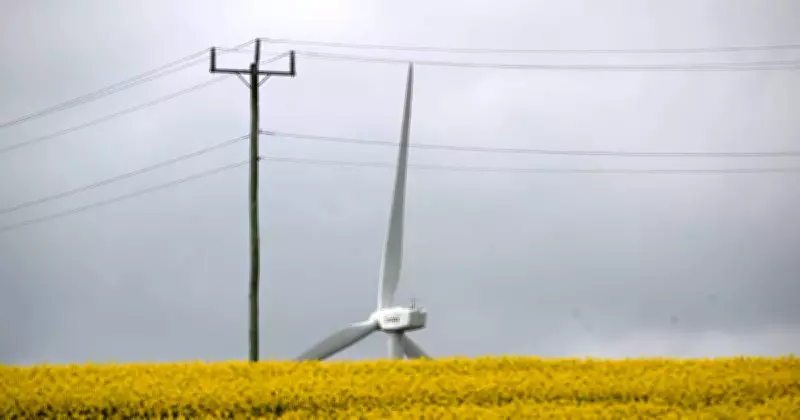
The renewable energy debate in Australia is multifaceted, involving discussions on technology, policy, and economic viability. Proponents of renewables highlight the long-term benefits, such as reduced carbon emissions and energy independence. They point to successful projects in solar and wind energy that have already contributed to the grid, arguing that further investment is key to a sustainable future.
However, critics raise concerns about the intermittency of renewable sources and the costs associated with upgrading infrastructure. They emphasize the need for a balanced approach that includes traditional energy sources to ensure grid stability and prevent price spikes. This tension has led to heated debates in political and public forums, with no clear consensus in sight.
Economic Pressures and Policy Implications
Economic pressures are amplifying the energy cost debate, as Australia faces challenges like inflation and supply chain disruptions. Policymakers are under pressure to devise strategies that address both affordability and environmental targets. Recent government initiatives have focused on subsidies for renewable projects and incentives for energy efficiency, but critics argue these measures may not be enough to curb rising costs.
Stakeholders from the business community are particularly vocal, warning that high energy costs could hamper competitiveness and economic growth. They call for more transparent pricing mechanisms and greater investment in grid modernization to support a smooth transition to renewables. Meanwhile, environmental groups push for faster action on climate change, citing the urgency of reducing fossil fuel dependence.
Looking Ahead: Challenges and Opportunities
As the debate continues, Australia stands at a crossroads in its energy journey. Key challenges include:
- Balancing short-term affordability with long-term sustainability goals.
- Integrating renewable energy into the existing grid without compromising reliability.
- Addressing regional disparities in energy access and costs.
Opportunities also abound, such as leveraging Australia's natural resources for solar and wind power, and fostering innovation in energy storage technologies. Collaborative efforts between government, industry, and communities will be crucial in shaping a resilient and cost-effective energy future.
In conclusion, the debate over Australia's energy costs and renewables is set to remain a hot topic, driven by economic realities and environmental imperatives. Finding a middle ground that ensures both affordability and sustainability will be essential for the nation's prosperity and well-being in the years to come.