ADX Energy Strikes Gas at Surface in Austrian Welchau-1 Well
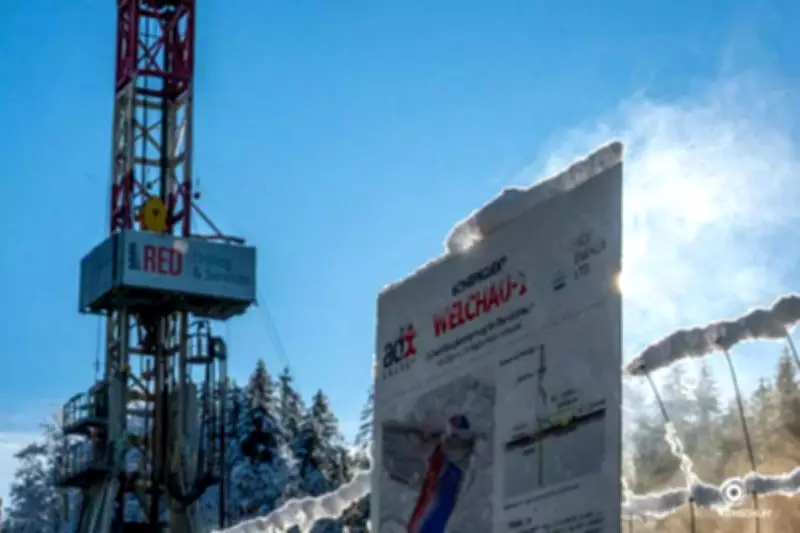
ADX Energy has achieved a breakthrough at its Welchau-1 hydrocarbon discovery in Upper Austria, with flow testing resuming after a prolonged regulatory delay and delivering the company's first confirmed hydrocarbon gas to surface from the shallow Reifling Formation. This milestone marks a significant step forward for the project, which has faced environmental objections and legal hurdles in recent years.
Testing Success and Reservoir Insights
After resuming operations, ADX pumped a modest six cubic metres of acid into the Reifling Formation to stimulate fractures in the carbonate rocks, followed by a brine flush and soak period. When the well was swabbed to unload the hydrostatic column, the result included brine, carbon dioxide, and critically, methane gas flowing to surface. The company highlights that this methane not only demonstrates hydrocarbons are mobile within the Reifling Formation but also represents the first gas ever produced from this specific reservoir.
The Reifling Formation is positioned at the top of four stacked, fractured carbonate reservoirs intersected by Welchau-1 and is interpreted to lie close to the oil-water contact of a mapped light oil accumulation. Notably, this oil system is believed to crest around 500 metres up dip from the current well location, immediately flagging an obvious next target should ADX elect to sidetrack the well.

Historical Context and Potential Upside
ADX first drilled the Welchau-1 well in 2024, cutting a massive 450-metre hydrocarbon column that spanned three primary carbonate reservoirs, indicating big-ticket potential. Early estimates pointed to a liquids-rich gas and condensate system, with upside ranges from 12 to 217 million barrels of oil equivalent (MMboe) and a mean around 85 MMboe. However, subsequent technical work suggested the system could be driven by high-quality light oil, with gas merely along for the ride—a pivot that, if confirmed, could materially sharpen the project's economics and push Welchau firmly into the top tier of Alpine oil and gas plays.
Downhole sampling has already recovered light oil, while pressure data suggests the well may be connected with the down-dip Molln-1 gas-condensate field, first discovered by Austria's national oil and gas company, OMV, in 1989. If proven, this could mean ADX is onto an interconnected petroleum system with serious scale potential.
Future Plans and Challenges
Management notes that the fact a relatively small amount of acid was used to kick the well into life is a strong positive, pointing to a reservoir that wants to flow once fully cleaned up. The next phase will involve further swabbing to strip out remaining fluids and test whether Welchau can deliver sustained oil, gas, or both, with samples, pressure data, and—if the well keeps flowing—hard flow-rate numbers to follow.
Welchau is characterised by over-pressured reservoirs and multiple hydrocarbon source rocks across several formations, giving ADX more than one shot on goal. The company can either sidetrack Welchau-1 to chase the up-dip light oil accumulation or deepen the well to test deeper gas-condensate targets beneath the anticline.
The road here has not been smooth. Testing was halted in early 2025 after objections from environmental groups, before the Upper Austrian State Administrative Court ruled last September that ADX could resume operations. With rods turning again and gas now proven at surface, the project is firmly back in business.
Implications and Outlook
While the current phase is focused on cleaning up the well and gathering hard data, the implications appear clear. If flow rates stack up, Welchau could rapidly shift from a technical success to a commercially compelling Alpine hydrocarbon play, with multiple appraisal options and plenty of blue-sky still left in the system. This development underscores the ongoing potential for energy exploration in Europe, despite regulatory and environmental challenges.