ADX Energy Strikes Light Oil in Austria, Eyes Major Updip Prize
ADX Energy has taken a significant step forward in proving up a potentially major oil discovery in Austria, with the recovery of light oil and gas during recent testing at its Welchau-1 well. This development marks an encouraging milestone for the company as it seeks to unlock the full potential of the Welchau play, which could hold substantial hydrocarbon resources in an onshore Alpine setting.
Testing Success in the Reifling Formation
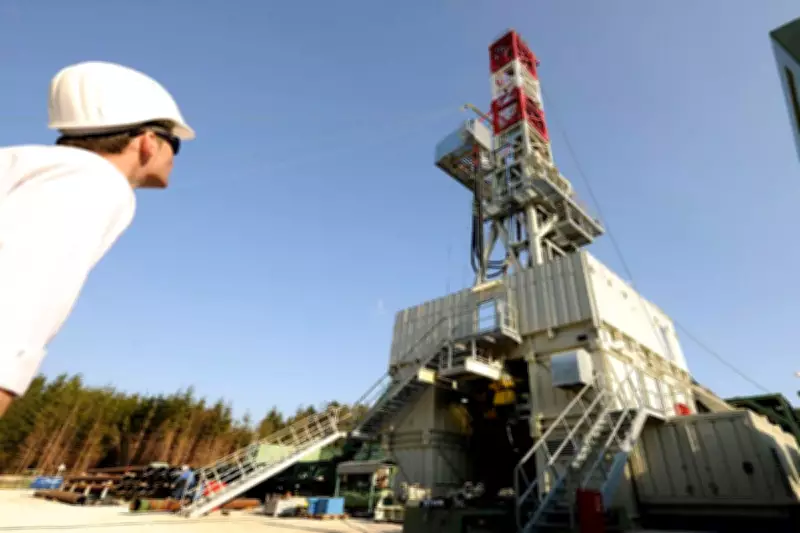
The company resumed testing operations in the Reifling Formation, one of four oil- and gas-bearing zones intersected in the well. To stimulate the reservoir, ADX pumped a small amount of acid into the rock to open natural cracks, allowing hydrocarbons to flow more freely. This technique proved effective, bringing both light oil and gas to the surface during the test. While the well has not yet achieved steady flow on its own, the recovery of light oil is viewed as a highly positive indicator of the reservoir's potential.
Importantly, the oil recovered from this shallow zone exhibits the same density as oil previously found deeper in the well. This consistency suggests that both zones may be part of the same larger oil system, enhancing the overall prospectivity of the Welchau structure.

Updip Potential and Geological Insights
ADX believes that the Welchau-1 well may have been drilled slightly down the side of the geological structure, with the highest point, or crest, of the oil accumulation located approximately 500 metres updip and to the west. In simpler terms, the company suspects that a larger oil pocket could be sitting higher up within the same geological trap. This updip target represents a key focus for future exploration efforts, as it could significantly increase the resource estimate for the Welchau play.
According to ADX Energy executive chairman Ian Tchacos, the results of Welchau-1 testing to date are very encouraging, indicating a potentially significant light oil accumulation at Welchau in addition to the deeper gas condensate potential. The Welchau play, while relatively complex and typical of many large carbonate fields worldwide, offers substantial rewards due to its onshore location, relatively shallow drill depths, and ready access to existing infrastructure.
Technical Details and Future Plans
The recent acid treatment involved pumping six cubic metres across a 45-metre section of the well. While this was sufficient to trigger inflow, it may not have connected the well to a broader network of natural fractures in the rock, which is necessary for stronger, sustained production. ADX is now considering a larger follow-up treatment using specialised equipment to better stimulate the reservoir and enhance connectivity.
The well has been temporarily suspended to allow the company to monitor pressure build-up, which will provide critical data on the reservoir's size and connectivity. This analysis will help determine how much oil and gas the reservoir may contain and guide future development decisions.
Strategic Significance and Next Steps
Welchau is situated within a broader Alpine petroleum system that has already produced gas from a nearby historic discovery. The Welchau play is considered strategically significant due to its overpressured system, multiple carbonate reservoirs, and evidence of pressure communication with the historic Molln-1 gas condensate discovery further downdip. Hydrocarbon shows were recorded over a 450-metre interval in Welchau-1, underscoring the scale of the petroleum system.
Moving forward, ADX has two main options: either drill slightly higher on the structure to directly target the suspected oil crest or deepen the existing well to pursue gas-condensate potential in deeper layers. For an onshore Alpine setting with relatively shallow drill depths and nearby infrastructure, Welchau is shaping up as a technically complex but potentially high-impact discovery. The next phase of stimulation and pressure analysis will be crucial in determining whether the structure can transition from an oil show to a flowing field, paving the way for commercial development.