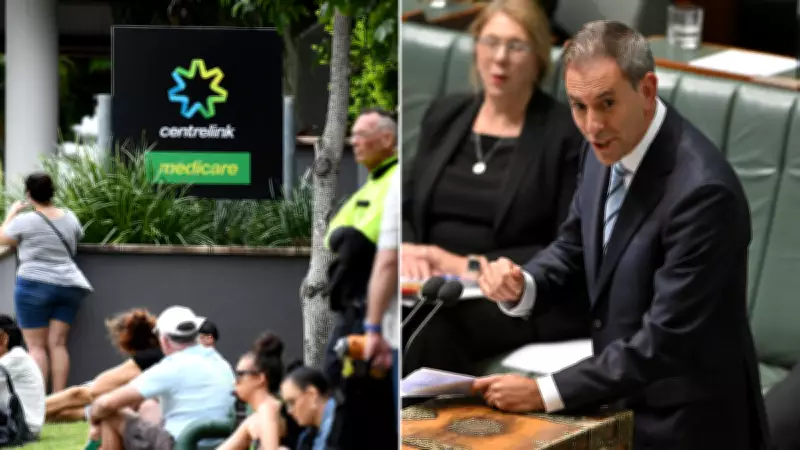
A plea for welfare payments to be raised to deal with the cost-of-living crisis has gone unheard in this year's federal Budget. The call to increase Centrelink payments was raised by the Economic Inclusion Advisory Committee (EIAC) in its fourth annual report, released in April. But Labor's Budget on Tuesday failed to feature EIAC's recommendation, or any increase to Centrelink payments.
The committee said raising social welfare to catch up with soaring costs, such as rent and groceries, was a "top priority and repeats calls made in previous reports". "The situation has since deteriorated and further increases are required," the EIAC said.
The Albanese Government was "investing more than ever before on supporting Australian families" and instead focused on bringing down costs elsewhere, a spokesperson told 7NEWS.com.au. "We're making the social safety net fairer by investing $11.8 billion extra over four years to make sure social security payments keep up with expected cost of living increases," the spokesperson said. "The Budget also includes five tax cuts, $60 million to support vulnerable young people on Youth Allowance and Abstudy into stable housing, $183 million to help more kids get the child support they are owed, $25 billion for public hospitals and much more to help Australians with the cost of living."

They noted that while an increase to welfare is not among the budget measures, the government had overseen a number of boosts to Centrelink payments since taking office in 2022. In March, Jobseeker payments increased to $808.70 for a single person — up 25.5 per cent since May 2022 — or as high as $1,047.30 for a single principal carer.
Despite desperate pleas, this year's Budget failed to include an increase to Centrelink payments. The Budget has targeted a number of cost of living pressures, including child support and affordable housing.
Following the committee's report, Treasurer Jim Chalmers and Social Services Minister Tanya Plibersek said the government was "already acting on many of the issues outlined in the report by strengthening the social safety net, delivering cost-of-living relief, and investing in long-term prosperity". "Labor is also helping with the cost of living and economic inclusion by expanding Paid Parental Leave to 26 weeks, making it easier to see a GP, making medicines cheaper, investing in more housing — including social and affordable homes — and guaranteeing three days of childcare for families who need it," they said in a joint statement. "We know there is more work to do because Australians are still under pressure. The war in the Middle East and the intense volatility in the global economy are making these pressures harder, not easier."