Fork in the Road: World's Choice Between Hard or Crash Landing
Tom Richardson
The West Australian
Fri, 27 March 2026 1:30PM

Email Tom Richardson
Camera Icon
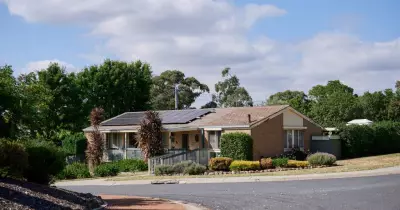
New borrowing for governments is becoming prohibitively expensive, as highlighted by recent financial analyses. Credit: The Nightly/Jamie Hart
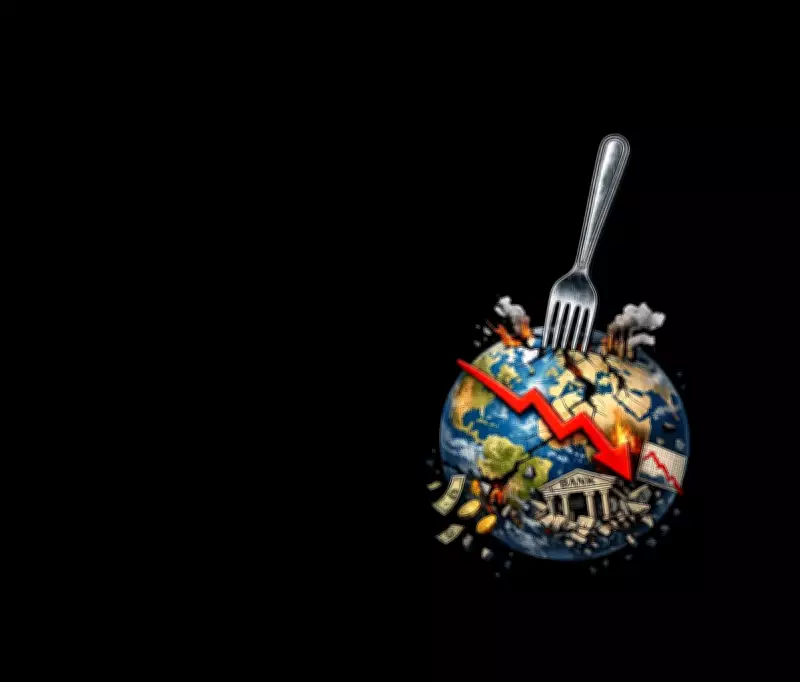
Surging inflation expectations are now threatening to plunge the world into a severe sovereign debt crisis, leaving central banks with a daunting and unenviable choice: orchestrate a hard landing or risk a catastrophic crash landing. This pivotal moment in global economics underscores the fragile state of financial markets amid ongoing geopolitical tensions.
Inflation Projections and Borrowing Costs
The Commonwealth Bank of Australia predicts that inflation will reach 5.4 per cent by mid-2026 in Australia, with the energy shock potentially exacerbating inflationary pressures elsewhere across the globe. This alarming trend makes new borrowing for governments exceptionally costly. In Australia, the Federal Government's borrowing costs have soared to their highest levels since 2011. Similarly, in the United Kingdom and Japan, the energy price shock has driven borrowing costs to peaks not seen since the Great Financial Crisis, highlighting a widespread financial strain.
Sebastian Mullins, Head of Multi Asset Investment at Schroders Australia, emphasized the escalating risks, stating, "The longer the war drags on, the higher oil prices rise and the longer oil supply remains restricted, the more of an economic disaster this could become." Since the conflict began, emerging markets have experienced the steepest increases in government borrowing costs, compounded by nations like the UK where pre-war expectations of interest rate cuts have abruptly reversed into anticipations of hikes.
Central Banks in a Bind
On Friday, Mr. Mullins issued a stark warning: "We remain negative on duration. Now that inflation may be re-accelerating due to higher oil prices, this puts central banks in a bind." He explained that high inflation represents a bond investor's worst nightmare, as it erodes the value of future interest income. By expressing a "negative duration" stance, Schroders suggests it is increasingly unwise to hold bonds that will depreciate further as inflation drives up debt costs.
Moreover, the shock from soaring energy prices places central bankers in a precarious position as they attempt to combat inflation without raising interest rates to levels that could trigger an economic crash. Central bankers recognize that supply-side inflation shocks, such as those caused by disruptions like the Strait of Hormuz's closure, cannot be resolved merely by hiking interest rates. Unless policymakers aim for complete demand destruction and a major recession—akin to the measures implemented by US Fed Governor Paul Volcker in the early 1980s—alternative strategies are limited.
Consequently, some economists now anticipate that the Reserve Bank of Australia will deliver only one more interest rate increase in 2026, as the soaring cost of living significantly slows the economy, reducing the need for more aggressive monetary tightening.
Debt Costs Rocket and Global Risks
However, any impending global debt crisis is far more likely to originate from the emerging markets of Asia or heavily indebted European economies. For instance, Turkey, a neighbour of Iran, is teetering on the brink of insolvency and grappling with an inflation crisis, as citizens and investors lose confidence in the Turkish Lira due to fears that government loan promises may soon become worthless.
Historical precedents underscore these dangers. In 2022, Sri Lanka required an International Monetary Fund bailout, partly due to the interest rate cycle and energy price shock stemming from Russia's invasion of Ukraine. In 2011, when yields reached similar highs in many countries, Greece experienced an economic shock comparable to the 1930s Great Depression in the US, with economic output plummeting by as much as 30 per cent. At that time, bond markets correctly viewed Greece as bankrupt and unable to repay its debts, enforcing a punishing bailout of spending cuts that led to mass unemployment.

This economic nightmare serves as a stark reminder of the power bond markets wield over nation-states, capable of imposing severe financial discipline if lending dries up. Bond markets are more likely to ignite a financial crisis related to Middle East tensions than share markets, which often provide little indication of the probability of a severe downturn.
Potential Upsides and Future Paths
One potential silver lining is that President Donald Trump, as a real estate and construction billionaire, understands the critical importance of low interest rates for a sound economy. Further increases in US interest rates may generate heightened political pressure on the president to pursue a peace deal, rather than merely reacting to a share market correction from record highs after a three-year bull run.
As Westpac noted on Friday, "two potential paths are ahead for the world." One involves a negotiated peace in the Middle East occurring sooner rather than later. The other entails a potentially cataclysmic blow-up as energy prices and inflation continue to race higher in tandem, posing grave risks to global stability.
Get the latest news from thewest.com.au in your inbox. Sign up for our emails to stay informed on these critical developments.