Geelong, once known as a sleepy hollow, is now grappling with the consequences of its own success as it experiences a significant population boom. The city, located southwest of Melbourne, has seen a surge in new residents drawn by its lifestyle, employment opportunities, and relative affordability compared to the state capital.
The Transformation of Geelong
In recent years, Geelong has undergone a remarkable transformation. Once a quiet industrial town, it has reinvented itself as a hub for education, health, and advanced manufacturing. The arrival of major employers like Deakin University and the relocation of government agencies have fueled job growth, attracting families and professionals alike. As a result, the population has swelled, putting pressure on housing, transport, and community services.
Housing and Infrastructure Challenges
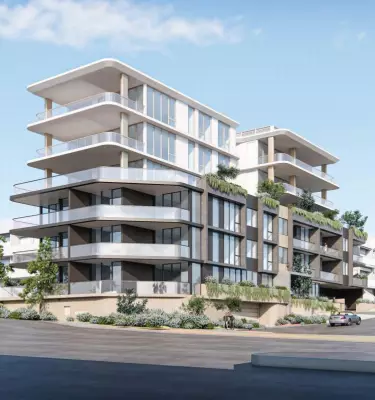
One of the most pressing issues is housing affordability and availability. With demand outstripping supply, property prices have risen sharply, making it difficult for first-home buyers and low-income earners to find suitable homes. Urban sprawl has extended into previously rural areas, leading to longer commutes and increased reliance on cars. Infrastructure, including roads, public transport, and schools, is struggling to keep pace with the growing population.

Local councils are working to address these challenges through strategic planning. The City of Greater Geelong has released a comprehensive plan to manage growth, focusing on creating more housing diversity, improving public transport, and protecting green spaces. However, some residents express concern that the city’s unique character is being eroded by rapid development.
Economic Opportunities and Lifestyle Appeal
Despite the challenges, many see Geelong’s growth as a positive sign. The city now boasts a vibrant arts scene, thriving cafes and restaurants, and a strong sense of community. Its coastal location and proximity to the Surf Coast and Bellarine Peninsula make it an attractive destination for tourists and new residents. Economic diversification has reduced reliance on traditional industries, creating a more resilient local economy.
Businesses are benefiting from a larger customer base and a more skilled workforce. The education sector, in particular, has flourished, with Deakin University expanding its campuses and attracting students from across Australia and overseas. This has spurred innovation and collaboration between academia and industry.
Balancing Growth with Liveability
Experts emphasize the need for careful planning to ensure that growth enhances rather than diminishes liveability. Sustainable development practices, such as higher-density housing in established areas and investment in active transport infrastructure, are seen as key to managing the transition. Community engagement is also vital, ensuring that residents have a say in shaping the future of their city.
As Geelong continues to evolve, it faces the delicate task of balancing progress with preservation. The city’s success story is still being written, and how it navigates these challenges will determine whether it remains a desirable place to live, work, and visit.