Petrol Stations Accused of Price Gouging Amid Middle East Conflict
More than half of petrol stations in Sydney and Melbourne have been accused of cashing in on the escalating Middle East conflict, lifting prices by up to 10 cents a litre despite experts saying the crisis should not yet be impacting Australian fuel costs. The NRMA claims drivers are currently being overcharged by at least five cents a litre, with some retailers raising prices on fuel bought at much lower wholesale prices.
Retailers Using Crisis to Make Money
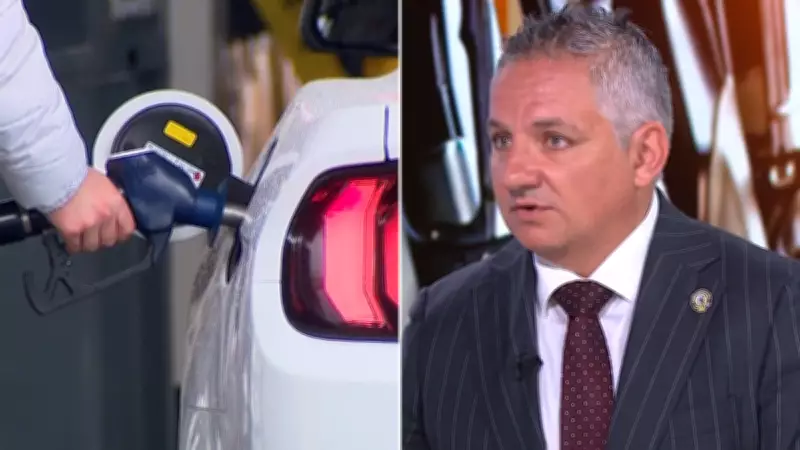
While not every retailer is doing the wrong thing, NRMA spokesperson Peter Khoury noted that Sydney, Melbourne, and Brisbane have been particularly impacted, accusing retailers of using a crisis to make money. Khoury said prices were already sitting at the peak of the fuel cycle before the conflict began escalating. What we’ve seen in Sydney, Melbourne, Brisbane in particular, we were already at the top of the cycle. They were already charging the peak amount at $2.13 when the wholesale price was $1.53, he explained.
The wholesale price has gone up 10 cents a litre, but retailers have put their prices up even further and are refusing to come down. Khoury emphasized that changes in wholesale prices typically take about seven to 10 days to flow through to motorists, meaning most stations would still be selling fuel purchased before the recent increase. What we’ve seen is those prices go up when they shouldn’t have, and they went up too quickly, he added.

Government and Consumer Watchdog Response
The federal government has now stepped in, warning service stations the national consumer watchdog will crack down on any unjustified price hikes. Treasurer Jim Chalmers made it clear to the ACCC at the beginning of the week that the consumer watchdog needed to keep an eye on petrol retailers. Liberal deputy leader Jane Hume echoed these sentiments, stating that price changes should take one to two weeks to flow through, and if not, consumers should speak out.
Health Minister Mark Butler slammed the retailers for war profiteering, urging the ACCC to act. The consumer watchdog has to do its job here. We cannot see motorists getting ripped off at the bowser, he said. While the practice is not technically illegal, Khoury noted that the ACCC can pressure retailers by publicly identifying those doing the wrong thing, with public reporting being an effective tool.
Fuel Reserves and Public Pressure
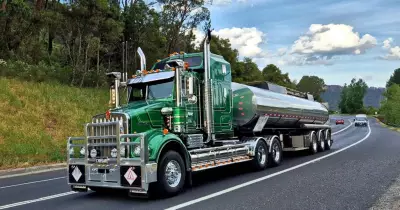
As fuel prices rise, discussion has centred on Australia’s fuel reserves, which stand at a 36-day strategic stockpile, far lower than the 90-day reserve recommended by international energy agencies. Khoury clarified that these reserves are often misunderstood and are not part of the everyday fuel supply. Instead, they are held for extreme emergency scenarios, such as if oil tankers were unable to reach Australia, to keep critical services running.
For now, motorists are being urged to keep reporting suspicious price spikes, with Khoury saying public pressure remains one of the most effective ways to force prices back down. The situation highlights ongoing concerns about transparency and fairness in the fuel market amid global tensions.