Canberra Fuel Prices Surge Past $3 Per Litre, Experts Predict Further Increases
Fuel prices in Canberra have reached alarming new heights, with diesel soaring past the $3 per litre mark, causing significant concern among motorists and industry analysts alike. This unprecedented surge is placing immense pressure on household budgets and business operations across the Australian Capital Territory.
Current Market Conditions and Price Trends
The recent spike in fuel costs has been driven by a combination of global and local factors. International oil markets are experiencing heightened volatility due to geopolitical tensions and supply chain disruptions, which have directly impacted wholesale fuel prices in Australia. Additionally, the Australian dollar's performance against major currencies has exacerbated the situation, making imported fuel more expensive.
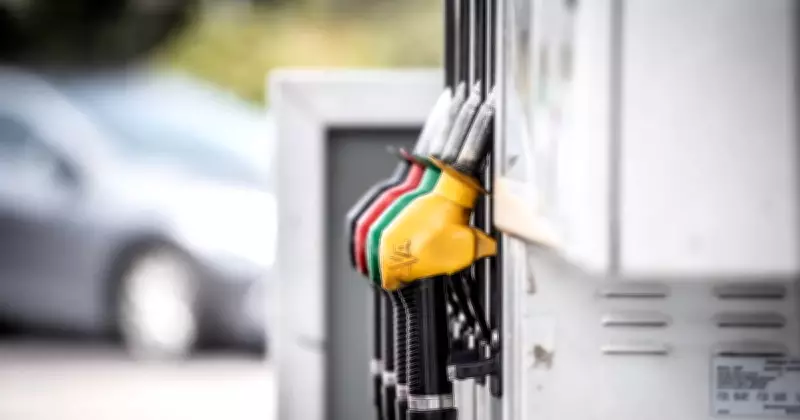
In Canberra specifically, diesel prices have now consistently exceeded $3 per litre at many service stations, with some locations reporting even higher figures. Petrol prices are also climbing steadily, though they remain slightly below diesel levels. This trend is expected to continue in the coming weeks, according to market analysts.

Expert Warnings and Future Projections
Industry experts are issuing stark warnings about the likelihood of further price increases. They cite ongoing global uncertainties, including potential production cuts by major oil-exporting nations and increasing demand as economies recover from pandemic-related slowdowns. These factors are likely to keep upward pressure on fuel costs for the foreseeable future.
Local economic analysts note that Canberra's relatively isolated market can sometimes lead to sharper price movements compared to other Australian cities. The lack of significant local refining capacity means the region is particularly vulnerable to international price fluctuations and logistical challenges in fuel distribution.
Impact on Consumers and Businesses
The soaring fuel prices are having a profound impact on Canberra residents and businesses. For households, the increased cost of refueling vehicles is adding to already strained budgets amid broader inflationary pressures. Many are being forced to reconsider their travel habits and expenditure patterns.
Businesses, particularly those in transportation, logistics, and construction sectors, are facing substantially higher operating costs. These increased expenses are often being passed on to consumers through higher prices for goods and services, contributing to broader inflationary trends in the local economy.
Government Response and Policy Considerations
While the federal government has acknowledged the challenges posed by rising fuel prices, immediate policy interventions have been limited. Some experts are calling for temporary relief measures, such as fuel excise adjustments or targeted support for vulnerable households and essential service providers.
Longer-term solutions being discussed include accelerating the transition to electric vehicles and investing in alternative fuel infrastructure. However, these measures would require significant time and investment to implement effectively.
The current fuel price crisis in Canberra serves as a stark reminder of the region's dependence on imported petroleum products and the broader vulnerabilities in Australia's fuel security framework.