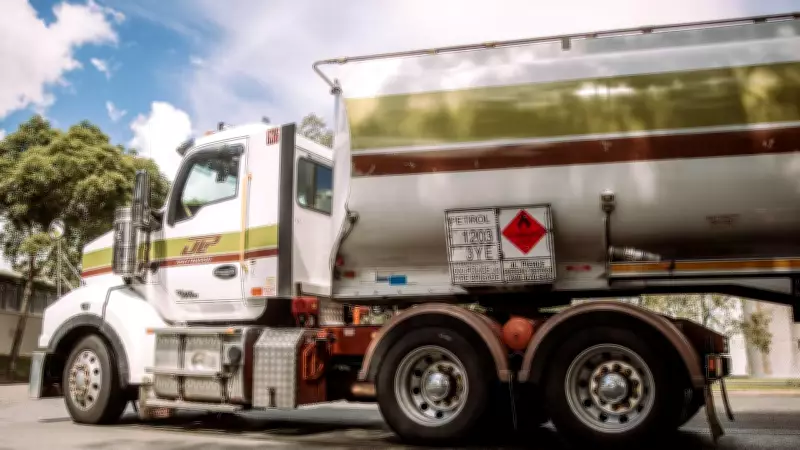
Transport Operators Warn of Closures Amid Fuel Crisis and Government Program Delays
Transport operators across Australia are sounding the alarm over potential closures as a severe fuel crisis and significant delays in government programs threaten to cripple the industry. This dual challenge is putting immense pressure on businesses that are essential for maintaining supply chains and supporting local economies.
Fuel Crisis Intensifies Operational Challenges
The ongoing fuel crisis has led to skyrocketing prices and supply shortages, making it increasingly difficult for transport companies to operate profitably. Many operators report that fuel costs have doubled in recent months, squeezing margins to the breaking point. This situation is particularly acute in regional areas, where access to affordable fuel is limited, forcing some businesses to consider shutting down routes or ceasing operations entirely.
Industry leaders emphasize that the fuel crisis is not just a financial burden but a logistical nightmare. With unpredictable fuel availability, scheduling and delivery times are becoming unreliable, which in turn affects customers and broader economic activities. The ripple effects are felt across sectors such as agriculture, retail, and manufacturing, all of which depend on timely transport services.

Government Program Delays Exacerbate the Situation
Compounding the fuel crisis are delays in key government programs designed to support the transport sector. Initiatives aimed at providing financial assistance, infrastructure upgrades, and regulatory relief have been stalled, leaving operators without the promised help. These delays are attributed to bureaucratic hurdles, funding issues, and shifting political priorities.
Operators express frustration over the lack of timely intervention, noting that the delays undermine their ability to plan for the future or invest in necessary upgrades. For instance, programs intended to subsidize fuel costs or modernize fleets have not materialized as expected, forcing many to operate with outdated equipment that is less fuel-efficient and more prone to breakdowns.
Potential Closures and Economic Impact
The combination of high fuel costs and government inaction is pushing many transport operators to the brink of closure. Small and medium-sized enterprises are especially vulnerable, as they lack the financial reserves to weather prolonged crises. If closures occur, the consequences could be severe:
- Disruptions to supply chains, leading to shortages of goods and increased prices for consumers.
- Job losses in the transport sector and related industries, exacerbating unemployment rates.
- Reduced economic activity in regional communities that rely on transport services for connectivity and commerce.
Industry associations are calling for urgent government action to address both the fuel crisis and program delays. They propose measures such as temporary fuel subsidies, accelerated rollout of support programs, and long-term strategies to improve fuel security and infrastructure.
Looking Ahead: Solutions and Recommendations
To mitigate the crisis, experts recommend a multi-faceted approach. This includes short-term relief through fuel price caps or rebates, as well as long-term investments in alternative energy sources and transport efficiency. Additionally, streamlining government processes to ensure timely delivery of support programs is crucial.
Transport operators urge policymakers to prioritize this issue, warning that without immediate intervention, the stability of Australia's logistics network could be compromised. The situation highlights the need for coordinated efforts between industry stakeholders and government bodies to foster a resilient and sustainable transport sector.