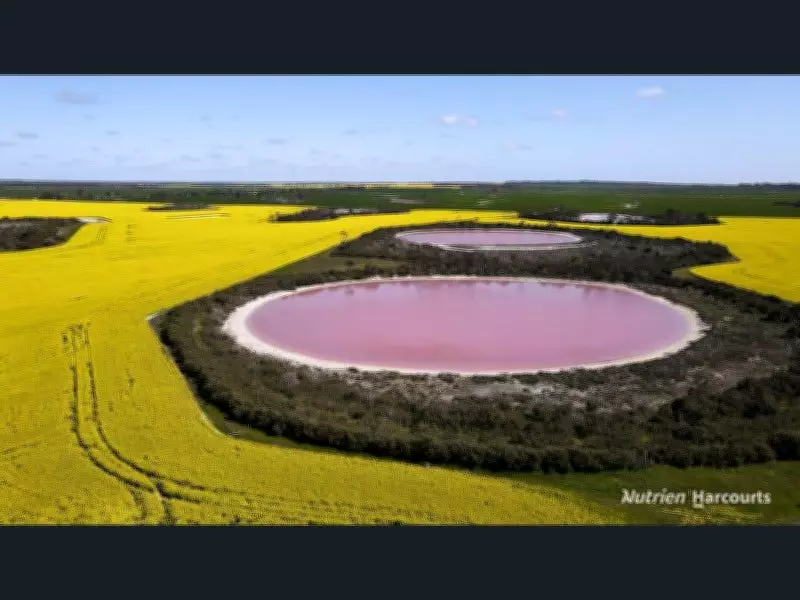
Western Australian Farmland Values Experience Dramatic Surge
In a remarkable trend that has captured the attention of investors and agricultural stakeholders alike, farmland prices in Western Australia have more than doubled over the past few years. This substantial increase reflects a robust demand for agricultural assets, fueled by factors such as global food security concerns, technological advancements in farming, and favorable commodity prices. However, as the market continues to ascend, questions are emerging about the long-term sustainability of this growth, particularly in light of environmental challenges.
Drivers Behind the Price Escalation
The doubling of WA farmland prices can be attributed to several key elements. Firstly, the agricultural sector has benefited from strong export markets, with products like grains, livestock, and horticultural goods seeing increased international demand. Secondly, low interest rates and investment inflows have made farmland an attractive asset class for both domestic and foreign buyers. Additionally, innovations in precision agriculture and sustainable practices have enhanced the productivity and appeal of these properties, further driving up their value.
Experts note that this trend is not isolated to Western Australia but is part of a broader national and global pattern where agricultural land is becoming increasingly valuable. In WA specifically, regions known for high-quality soil and reliable water sources have seen the most significant price hikes, with some areas reporting increases well above the 100% mark.

Environmental Concerns and Future Risks
Despite the current optimism, there are growing concerns about whether Mother Nature will continue to support this asset class. Climate variability, including unpredictable rainfall patterns, droughts, and extreme weather events, poses a significant risk to farmland productivity and, consequently, its value. Environmental factors such as soil degradation, water scarcity, and biodiversity loss could also undermine the long-term viability of agricultural investments.
Analysts warn that while technological solutions and adaptive farming practices may mitigate some of these risks, they cannot entirely eliminate the threat posed by natural forces. As such, investors are advised to consider the environmental resilience of farmland when making purchasing decisions, with a focus on properties that demonstrate sustainable management and climate adaptability.
Market Outlook and Strategic Considerations
Looking ahead, the future of WA farmland prices will likely depend on a delicate balance between market demand and environmental sustainability. While the current trajectory suggests continued growth, especially if global food demand remains high, any significant environmental downturn could lead to price corrections or stagnation. Stakeholders, including farmers, investors, and policymakers, must collaborate to promote practices that enhance land stewardship and climate resilience.
In conclusion, the doubling of WA farmland prices in recent years highlights the strength of the agricultural sector, but it also serves as a reminder of the inherent vulnerabilities tied to natural resources. As the market evolves, a proactive approach to environmental management will be crucial in ensuring that this asset class remains a viable and profitable investment for years to come.