Western Australia Greenlights Increased Loads for Road Trains to Enhance Regional Fuel and Fertiliser Supply
In a significant move to bolster logistics in remote areas, the Western Australian government has authorised road trains to carry an additional 10 tonnes of petrol, diesel, and fertiliser. This decision aims to address supply chain challenges and ensure more efficient delivery of essential resources to regional communities.
Boosting Capacity for Critical Commodities
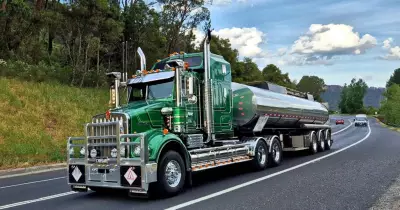
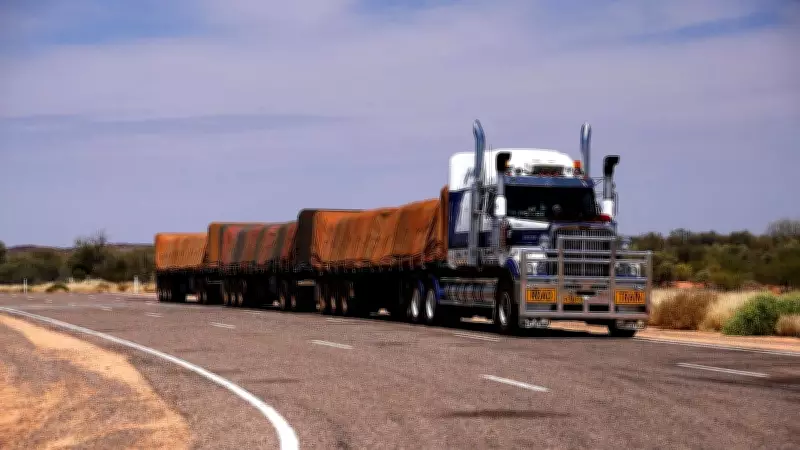
The new regulation permits road trains, which are large multi-trailer trucks commonly used in outback transport, to increase their payloads specifically for these key items. This adjustment is expected to streamline the distribution of fuel and agricultural inputs, reducing the frequency of trips needed and potentially lowering transportation costs.
This initiative responds to ongoing concerns about fuel availability in isolated parts of the state, where access to petrol and diesel can be limited due to vast distances and infrastructure constraints. By allowing heavier loads, authorities hope to mitigate shortages and support economic activities such as farming and mining.

Implications for Regional Logistics and Safety
While the increased capacity promises benefits, it also raises questions about road safety and infrastructure wear. The government has emphasised that the change will be implemented with strict adherence to safety standards, including updated guidelines for vehicle operation and maintenance.
Experts note that this policy could enhance supply resilience, particularly during peak demand periods or in emergencies. However, they caution that monitoring will be crucial to prevent overloading risks and ensure compliance with environmental regulations, especially for fertiliser transport.
Supporting Agriculture and Remote Communities
The inclusion of fertiliser in the authorised load increase highlights the focus on supporting WA's agricultural sector. Farmers in regional areas often face high costs and delays in obtaining fertiliser, which is vital for crop production. This measure could help reduce these burdens, promoting food security and rural development.
Overall, this policy represents a proactive step by the WA government to tackle logistical hurdles in fuel and fertiliser distribution. As implementation progresses, stakeholders will watch closely to assess its impact on regional supply chains and community well-being.