A deadly parasite capable of wiping out entire bee colonies is tightening its grip on South Australia, with experts warning the state's crucial agricultural regions are now directly in the firing line.
Beekeepers Brace for Inevitable Spread
Apiculturists across South Australia are battening down their hives as detections of the destructive varroa mite increase. The tiny external parasite, which attacks and feeds on honey bees, poses an existential threat to both wild and managed colonies.
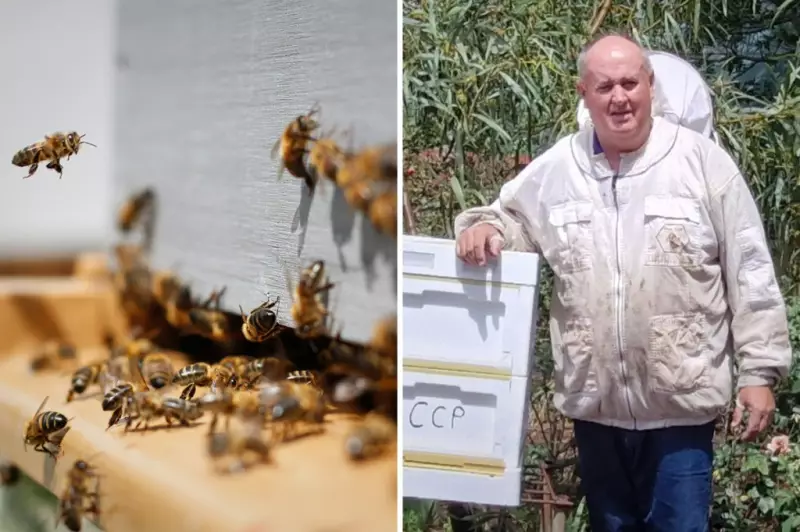
Loxton beekeeper Ian Cass is among those sounding the alarm. He anticipates further discoveries of the pest along the River Murray, a lifeline for the state's horticulture. "It's only a matter of time," Cass stated, expressing grave concern for the bees living in the Riverland area.

The Riverland at Risk
The Riverland region, known as South Australia's food bowl, relies heavily on bees for the pollination of almonds, citrus, stone fruit, and other vital crops. A decimation of local bee populations by varroa mite would have catastrophic flow-on effects for agricultural output and the regional economy.
The parasite weakens bees by sucking their fat-body tissue and spreads debilitating viruses. Without human intervention, infested colonies typically collapse within one to three years.
Response and Ongoing Vigilance
The situation demands constant vigilance from apiarists and biosecurity officials. The initial discovery and subsequent findings have triggered heightened surveillance and strict movement controls for beehives in affected zones to slow the spread.
Beekeepers like Cass are implementing rigorous monitoring and management strategies in an attempt to protect their hives. The fight against varroa mite involves:
- Regular testing of bee samples for mite infestation.
- Deploying approved miticide treatments within hives.
- Adhering to all state-imposed biosecurity zones and regulations.
The updated detection information as of December 5, 2025, confirms the threat is current and escalating. The agricultural community now faces a prolonged battle to safeguard the pollinators that underpin so much of the state's fresh food production.