Massive Bee Mobilization to Rescue Almond Trees from Varroa Destructor Threat
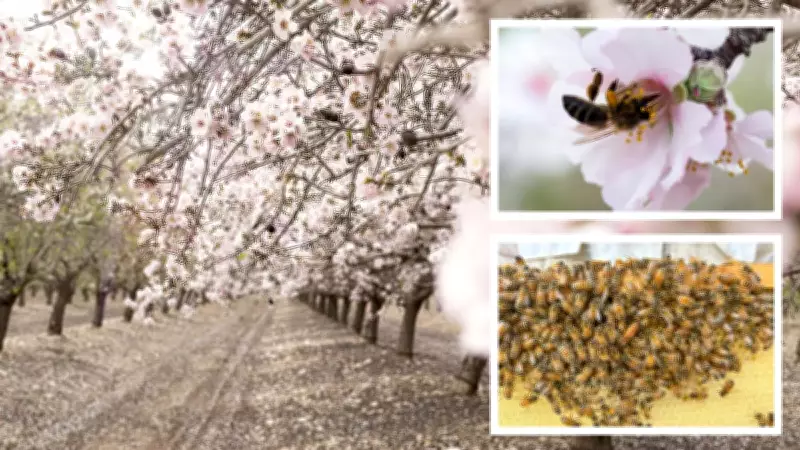
In a dramatic response to the escalating crisis caused by the Varroa destructor mite, a South Australian almond grower has launched an unprecedented operation, recruiting a staggering 335 million bees from Western Australia. This desperate measure aims to save almond trees that are severely affected by the parasitic mite, which has been devastating bee populations and threatening crop yields across the region.
Cross-State Collaboration in the Face of Agricultural Emergency
The initiative underscores a critical collaboration between states, as Western Australia, known for its robust bee colonies, steps in to assist South Australian growers grappling with the Varroa destructor infestation. The mites, which attach to bees and weaken them by feeding on their bodily fluids, have led to significant declines in pollinator health, putting almond production at risk. Almond trees rely heavily on bees for pollination, making this intervention vital for the survival of the crop.
The deployment of 335 million bees represents one of the largest bee mobilizations in recent agricultural history, highlighting the severity of the situation. Growers in South Australia have reported alarming losses in bee numbers due to the Varroa destructor, prompting urgent calls for external support. Without adequate pollination, almond yields could plummet, impacting both local economies and food supply chains.

Implications for Bee Health and Crop Sustainability
Experts warn that the Varroa destructor mite not only threatens immediate crop production but also poses long-term risks to bee populations and broader ecosystem health. The mites can spread viruses and other pathogens among bees, leading to colony collapse disorder and further endangering agricultural systems that depend on pollinators.
This crisis has sparked renewed focus on integrated pest management strategies and the need for resilient bee breeding programs. The South Australian almond grower's decision to import bees from Western Australia is seen as a stopgap measure, while researchers and farmers work on developing more sustainable solutions to combat the mite.
- The Varroa destructor mite has caused widespread bee mortality in affected areas.
- Almond crops are particularly vulnerable due to their reliance on bee pollination.
- Cross-state bee transfers may become more common as mite infestations spread.
- Long-term strategies include breeding mite-resistant bees and enhancing monitoring systems.
As the agricultural community rallies to address this challenge, the success of the 335 million bee deployment will be closely monitored. It serves as a stark reminder of the interconnectedness of ecosystems and the critical role bees play in sustaining food production. With continued efforts, growers hope to mitigate the impact of Varroa destructor and secure a future for both bees and crops.