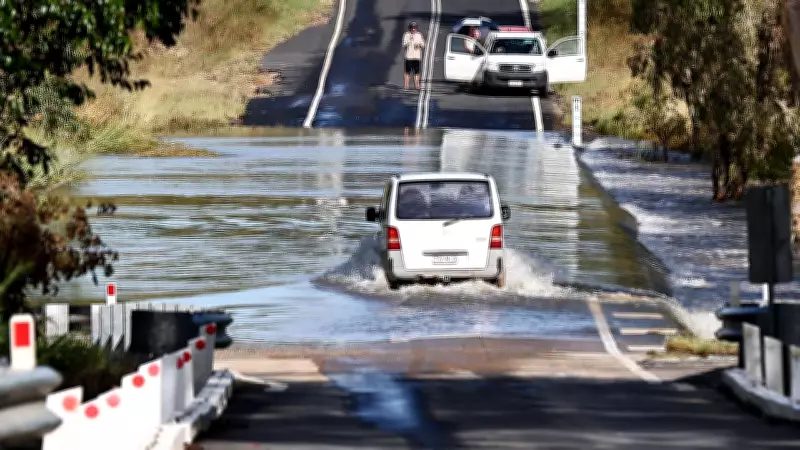
New Bridge Plans for McLeod River to End Cape York's Wet Season Isolation
In a significant development for Far North Queensland, new plans have been unveiled for a bridge over the McLeod River, designed to end the wet season isolation that has long plagued Cape York. This infrastructure project aims to transform transport links and boost the local economy by providing year-round access to the region.
Addressing Long-Standing Transport Challenges
The McLeod River, located in a remote part of Cape York, becomes impassable during the wet season, typically from November to April, due to heavy rainfall and flooding. This annual isolation has severely impacted residents, businesses, and emergency services, cutting off vital supply routes and hindering economic activities. The new bridge is proposed to be a high-level structure, capable of withstanding floodwaters and ensuring continuous access regardless of weather conditions.
Local authorities and community groups have welcomed the plans, highlighting the bridge's potential to improve safety and connectivity. Currently, during the wet season, many communities rely on limited air services or risky river crossings, which can be dangerous and unreliable. The bridge is expected to reduce travel times, lower transport costs, and enhance access to healthcare, education, and other essential services.

Economic and Social Benefits for the Region
The project is anticipated to deliver substantial economic benefits to Cape York and surrounding areas. By ending wet season isolation, it could stimulate growth in tourism, agriculture, and mining sectors, which have been constrained by seasonal access issues. Improved transport links may attract more visitors and investors, creating jobs and supporting local businesses. Additionally, the bridge could facilitate better delivery of goods and services, reducing the cost of living for residents in remote communities.
From a social perspective, the bridge aims to strengthen community resilience and cohesion. It will enable more frequent family visits, cultural exchanges, and social events, which are often disrupted during the wet season. Emergency response times are also expected to improve, enhancing public safety in case of natural disasters or medical emergencies.
Next Steps and Implementation Timeline
The bridge plans are currently in the design and consultation phase, with input from stakeholders including local councils, Indigenous groups, and environmental agencies. Funding is being sought from state and federal governments, with proponents emphasizing the project's alignment with regional development goals. If approved, construction could begin within the next few years, with an estimated completion date pending further assessments.
Key considerations for the project include:
- Environmental impact assessments to protect local ecosystems and wildlife.
- Engagement with Traditional Owners to ensure cultural heritage is respected.
- Engineering studies to ensure the bridge's durability and safety in extreme weather.
Overall, the new bridge over the McLeod River represents a critical step toward ending Cape York's wet season isolation, promising to enhance connectivity, drive economic growth, and improve quality of life for residents in Far North Queensland.