Majura Valley Sunflower Season Adapts After Dry Spell with New Strategies
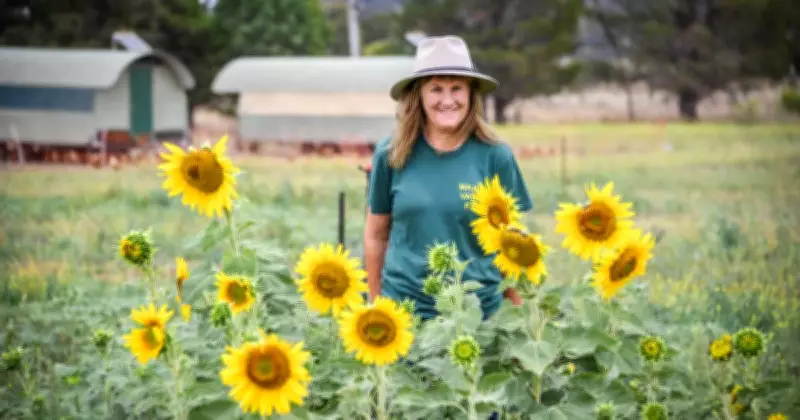
The iconic sunflower season in Majura Valley has successfully adapted following a recent dry spell, with farmers implementing innovative strategies to ensure the vibrant blooms continue to attract visitors and support the local economy. This adaptation highlights the resilience of the region's agricultural sector in the face of changing weather patterns.
Impact of Dry Conditions on Sunflower Cultivation
The dry spell experienced in Majura Valley posed significant challenges for sunflower growers, as the crops require adequate moisture during key growth stages. Farmers reported reduced soil moisture levels, which initially threatened the timing and quality of the sunflower blooms. However, proactive measures were taken to mitigate these effects and maintain the seasonal spectacle.
Adaptation Strategies Implemented by Farmers
To combat the dry conditions, farmers in Majura Valley adopted several key strategies:

- Adjusting Planting Schedules: Farmers shifted planting times to align with periods of higher rainfall, ensuring better germination and growth.
- Enhanced Water Management: Improved irrigation systems and water conservation techniques were employed to optimize water use and reduce waste.
- Soil Health Improvements: Practices such as mulching and cover cropping were introduced to retain soil moisture and enhance fertility.
- Drought-Resistant Varieties: Some growers experimented with sunflower varieties that are more tolerant to dry conditions, ensuring better yield stability.
These adaptations have not only helped sustain the sunflower season but also improved overall farm resilience against future climatic uncertainties.
Economic and Tourism Benefits of the Sunflower Season
The sunflower season in Majura Valley is a major draw for tourists, contributing significantly to the local economy. Visitors flock to the area to witness the stunning fields of yellow blooms, which support businesses such as cafes, gift shops, and tour operators. The successful adaptation to the dry spell ensures that this economic boost continues, with farmers reporting strong visitor numbers despite the earlier challenges.
Local authorities have also supported the season through promotional campaigns and infrastructure improvements, making it easier for tourists to access and enjoy the sunflower fields. This collaborative effort between farmers and the community underscores the importance of the season to the region's cultural and economic fabric.
Future Outlook and Sustainability Efforts
Looking ahead, farmers in Majura Valley are focusing on long-term sustainability to prepare for potential future dry spells. Plans include further investment in water-efficient technologies, ongoing research into climate-resilient crop varieties, and community education on sustainable farming practices. These efforts aim to ensure that the sunflower season remains a vibrant and reliable attraction for years to come.
The adaptation story of Majura Valley serves as a model for other agricultural regions facing similar challenges, demonstrating how innovation and collaboration can overcome environmental hurdles.