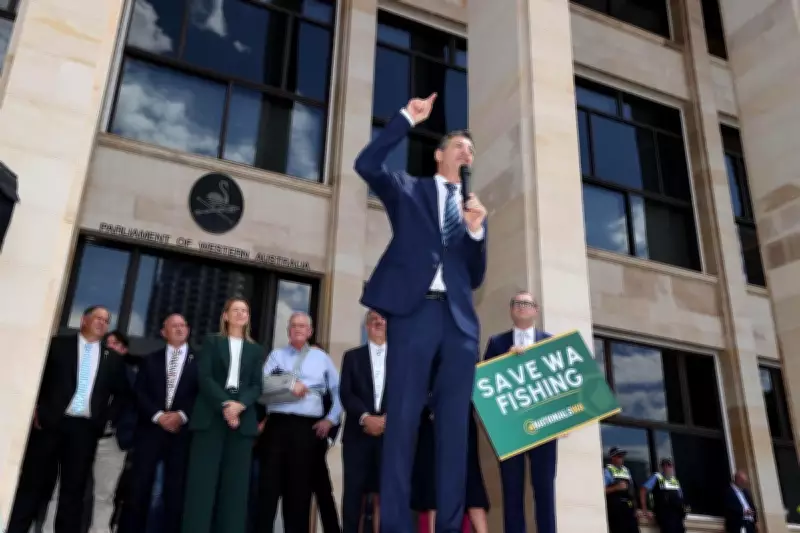
Basil Zempilas: Government Fishing Decision Continues to Destroy Families
In a powerful opinion piece, Basil Zempilas has drawn attention to the ongoing and devastating effects of government-imposed fishing restrictions on Australian families. The decision, which was implemented with environmental intentions, has inadvertently led to severe financial and emotional hardships for countless households across the nation.
Financial Strain and Economic Hardship
The fishing ban has resulted in significant economic losses for families who rely on fishing for their livelihoods. Many small-scale fishers and related businesses have seen their incomes plummet, forcing them into financial distress. This economic downturn is not just a temporary setback but a long-term crisis that threatens the stability of entire communities.
Emotional Toll on Families
Beyond the financial implications, the emotional impact on families is profound. Fishing is often more than just a job; it is a way of life passed down through generations. The loss of this tradition has caused deep-seated grief and a sense of identity crisis among affected families. Parents struggle to provide for their children, leading to increased stress and mental health issues.

Community Disintegration
Zempilas emphasizes that the fishing decision is tearing apart the social fabric of coastal communities. These areas, once vibrant and interconnected, are now facing a decline in social cohesion as families are forced to relocate or abandon their traditional lifestyles. The ripple effects include reduced local spending, school closures, and a loss of cultural heritage.
Call for Government Reevaluation
The opinion piece calls on the government to urgently reevaluate its fishing policies. Zempilas argues that while environmental conservation is crucial, it must be balanced with the needs of people. He suggests implementing more nuanced approaches, such as sustainable fishing practices or compensation schemes, to mitigate the harm to families.
Long-Term Consequences
If left unaddressed, the fishing ban could have lasting negative consequences for Australia's social and economic landscape. Zempilas warns that the destruction of families today will lead to broader societal issues tomorrow, including increased poverty and community breakdown. He urges policymakers to consider the human cost of their decisions.
In summary, Basil Zempilas's analysis sheds light on a critical issue where government action, aimed at protecting the environment, is inadvertently causing widespread family destruction. His call for a more compassionate and balanced approach resonates as a plea for justice and sustainability in policy-making.