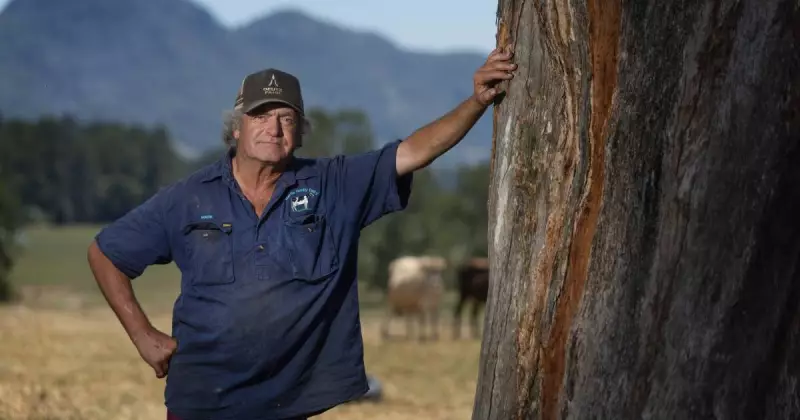
Dairy farmer Mark Harris watched his Gloucester River property disappear under floodwaters in May. Now, just months later, he is buying hay from Victoria to keep his herd fed as his paddocks turn to dust.
A Dramatic Turn from Soggy to Parched
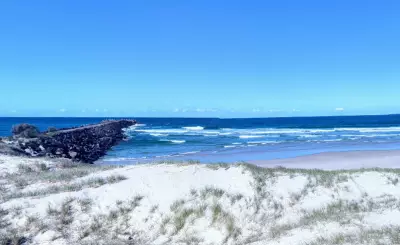
The Hunter Valley and Mid North Coast are experiencing what experts call 'weather whiplash'. The regions have swung from the wettest winter on record to severe dry conditions in a matter of months. This spring delivered well below average rainfall and above average temperatures, creating drought conditions and heightened bushfire danger.
"This spring we have received less than 30mm in three months," Mr Harris said. "The tap has simply been turned off. We really need a good drop; a couple of inches before Christmas would be ideal to get our pastures going again."

Farmers Forced to Adapt and Invest
The rapid change has forced swift action. Hunter Local Land Services is advising livestock producers on supplementary feeding and reducing stock numbers to manage through the dry period.
For Mr Harris, the challenges are twofold. While spending money on brought-in fodder, he has also just completed $150,000 in earthworks to stabilise river flats badly eroded by the May floods, which inundated 40-50 hectares of his land.
"It's been so quick the change in the paddocks," he explained. "They were waterlogged from May to August, then it turned dry. Those winds have dried the soils out so much. We are sick of those winds, that's for sure."
Not the Worst, But a Serious Warning
Despite the difficulties, Mr Harris notes that 2025 is not yet as severe as the devastating 2019 drought. "I don't want to be milking cows during another drought like that one. It was the worst most have seen in this district," he said.
There is some buffer. The wet winter filled on-farm water storages, and major Hunter irrigation dams remain at full capacity. The Gloucester River is still flowing, allowing for irrigation—a critical difference from the dire situation six years ago.
However, the official outlook is concerning. The Department of Primary Industries and Regional Development's seasonal forecast highlights significant rainfall deficiencies. Tools like the Farming Forecaster show a 'sea of red' across the Hunter and Manning regions, indicating very low soil moisture and minimal pasture growth.
As summer approaches, the community watches the skies, hoping the weather whiplash will swing back towards much-needed rain before conditions deteriorate further.