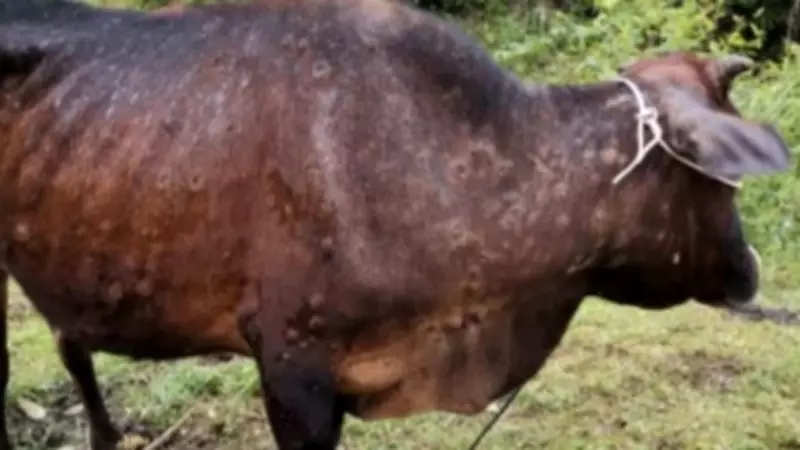
Cape York Emerges as Critical Entry Point for Devastating Cattle Disease
Cape York has been identified as a critical entry point for the devastating cattle disease, foot-and-mouth disease, posing a major threat to Australia's livestock industry. This alarming revelation highlights significant biosecurity vulnerabilities in the region, which could have far-reaching consequences for the nation's agricultural sector.
Biosecurity Vulnerabilities in Cape York
The identification of Cape York as a key entry point underscores the urgent need for enhanced surveillance and control measures. Foot-and-mouth disease is a highly contagious viral illness that affects cloven-hoofed animals, including cattle, sheep, and pigs. An outbreak in Australia could lead to severe economic losses, estimated in the billions of dollars, due to trade restrictions and culling of infected herds.
Experts warn that the remote and rugged terrain of Cape York makes it particularly susceptible to illegal animal movements and disease introduction. The region's proximity to international waters and its use as a transit point for maritime traffic increase the risk of disease transmission from neighboring countries where foot-and-mouth disease is endemic.

Potential Impact on the Livestock Industry
The potential impact of a foot-and-mouth disease outbreak on Australia's livestock industry cannot be overstated. The disease causes symptoms such as fever, blisters in the mouth and on the feet, and lameness, leading to reduced productivity and high mortality rates in young animals. Key concerns include:
- Disruption of domestic and international trade, with many countries imposing strict import bans on livestock from infected regions.
- Mass culling of animals to contain the spread, resulting in significant financial losses for farmers and rural communities.
- Long-term damage to Australia's reputation as a disease-free producer of high-quality meat and dairy products.
Agricultural authorities are calling for immediate action to bolster biosecurity protocols in Cape York, including increased patrols, stricter quarantine measures, and community awareness campaigns. Collaboration between government agencies, industry stakeholders, and local communities is essential to mitigate this threat.
Government and Industry Response
In response to these findings, the Australian government and livestock industry groups are ramping up efforts to prevent the introduction of foot-and-mouth disease. Initiatives include:
- Enhanced monitoring of animal movements and border controls in Cape York and other high-risk areas.
- Investment in rapid diagnostic tools and emergency response plans to quickly detect and contain any potential outbreaks.
- Public education programs to inform farmers and the public about the signs of the disease and reporting procedures.
These measures aim to safeguard Australia's $30 billion livestock industry and protect the livelihoods of thousands of Australians dependent on agriculture. Ongoing vigilance and proactive strategies are crucial to maintaining the country's disease-free status and ensuring food security.